 ultimate-guide
What to Expect on Guided Fly Fishing
Table of Contents
- A Step-by-Step Timeline of Your Guided Fly Fishing Trip
- What Your Professional Guide Provides and What You're Responsible For
- What to Bring on a Guided Fly Fishing Trip
- Guided Fly Fishing Trip Preparation: Before You Book
- Guided Fly Fishing Trip Length: How Long Will You Be on the Water?
- Understanding Fly Fishing Guide Cost and Gratuities
- What Happens When Fishing Is Slow
- Setting Realistic Expectations: Beginner vs. Experienced Anglers
- Frequently Asked Questions
Last Updated: October 17, 2026
A Step-by-Step Timeline of Your Guided Fly Fishing Trip
Before You Arrive: Preparation and Logistics
Booking starts weeks before you hit the water.
The day before, confirm the meeting location, parking details, and exact start time. Most trips begin between 6 and 7 a.m., so know the drive time.
On the morning of your trip, arrive 15 minutes early with your fishing license (covered below), photo ID, and any personal medications.
On the Water: What Actually Happens
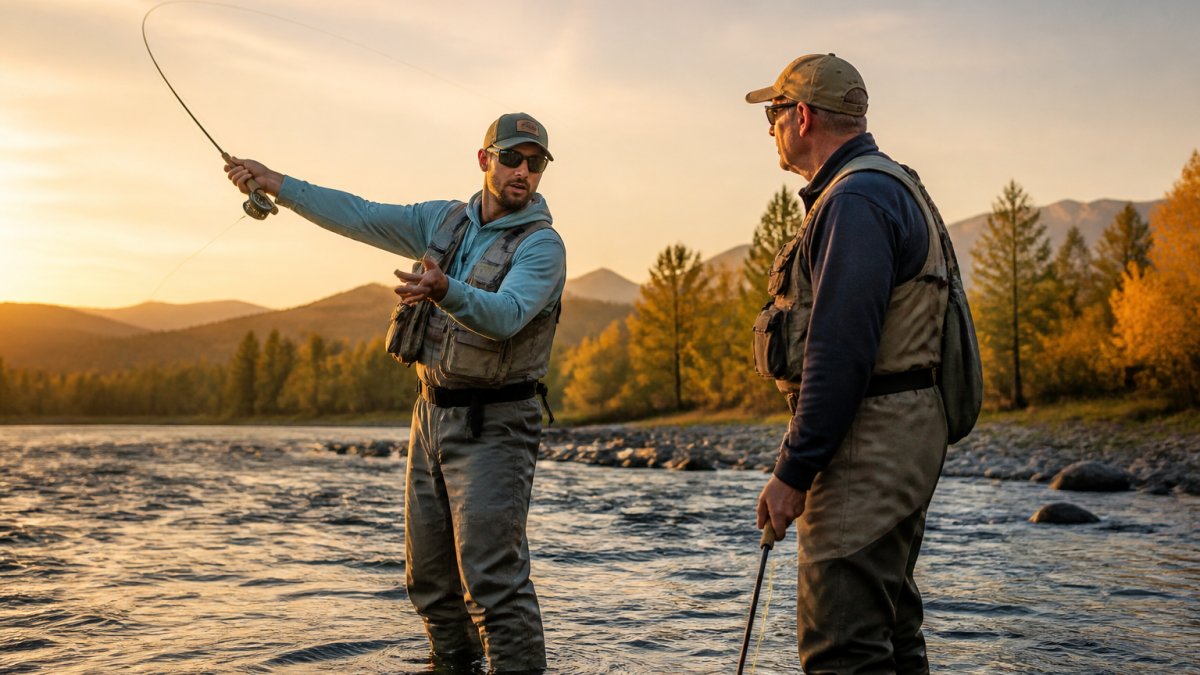
Your guide starts by assessing your casting ability, even if you've fly fished before.
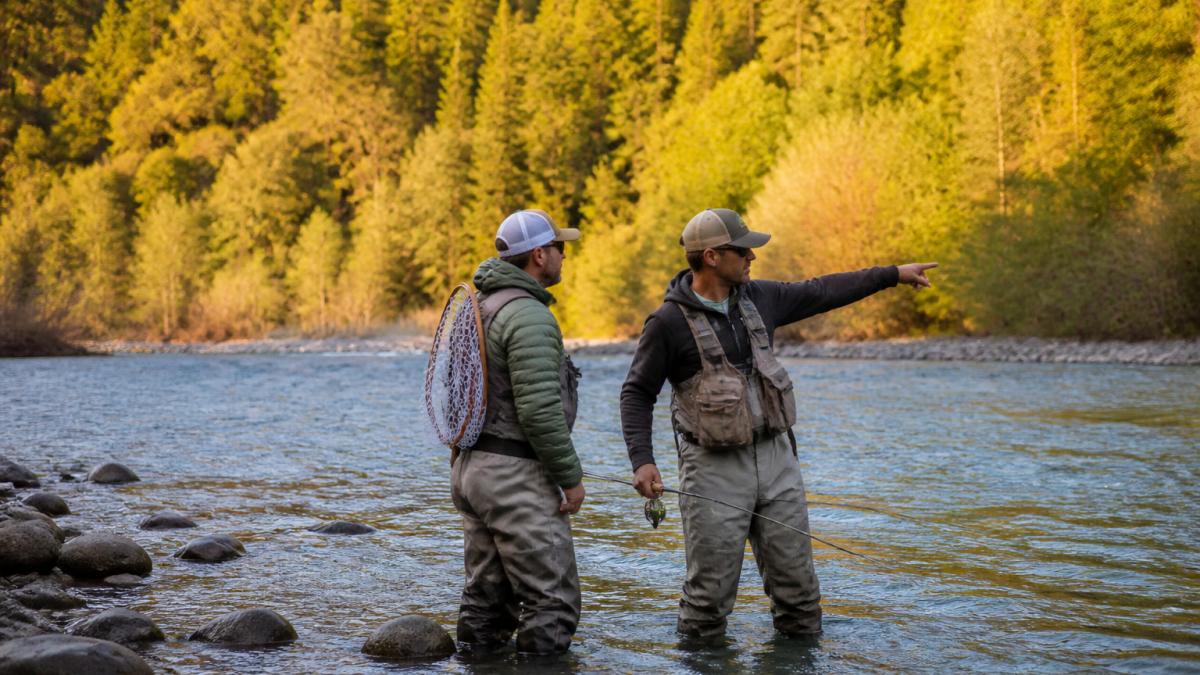
Once on the water, your guide positions you, manages the boat or wade, and reads the water constantly, scanning for fish, adjusting to light and temperature, and deciding whether to move.
When fish are rising or feeding, the pace quickens: your guide may strip line, tie on a new fly, and position you for the cast in rapid succession.
Midday, many guides stop for a break, a good time to ask questions, eat, and rest.
After the Trip: Wrap-Up and Follow-Up
When the day ends, your guide helps you safely exit the water and pack up. If you caught fish, they may ask about photos or catch-and-release. They'll also debrief on what worked, what didn't, and what to expect next time.
A good guide follows up within a few days. They might text or email with photos, tips on what to practice, or suggestions for your next trip.
What Your Professional Guide Provides and What You're Responsible For
Guide Responsibilities: Local Knowledge and Instruction
Your guide brings three things: local knowledge, technical instruction, and on-the-fly problem-solving.
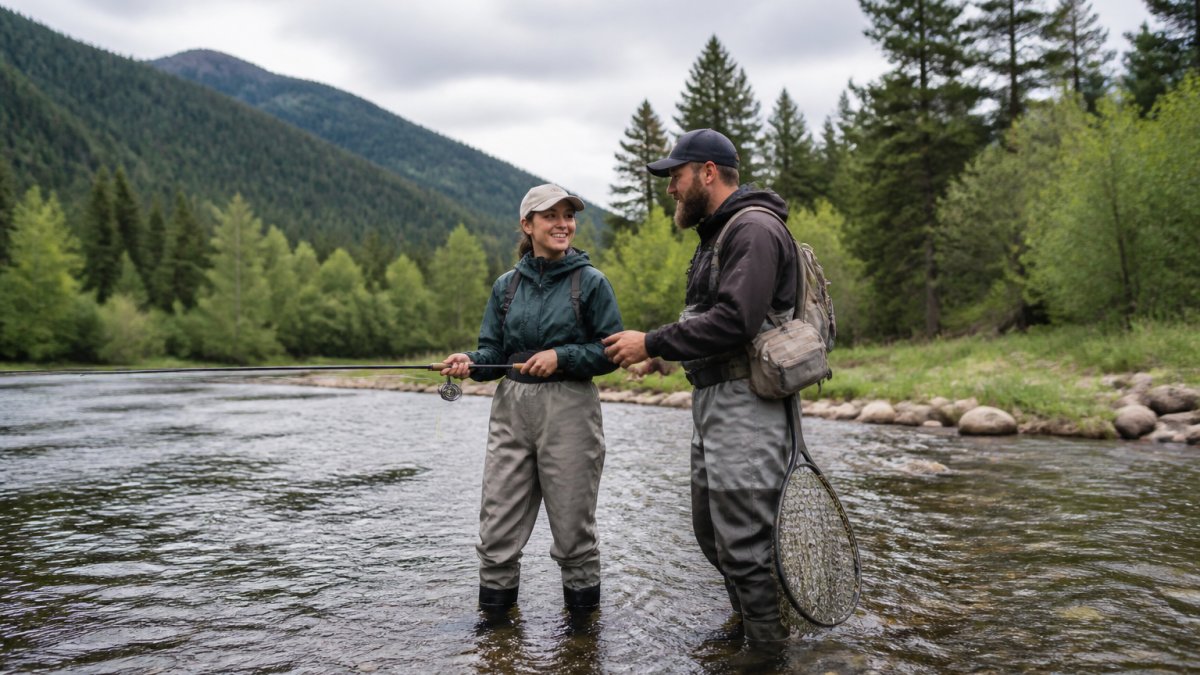
Technically, your guide teaches casting mechanics, fly selection, line management, and reading water, demonstrating techniques, correcting mistakes in real time, and explaining their reasoning. Beginners get time on fundamentals; experienced anglers get refinement or new techniques.
Guides also adapt constantly: if fishing slows, they change location, fly, or technique; if weather shifts, they adjust; if you struggle with a cast, they break it down step by step.
Your Role: Effort, Openness, and Safety
You're responsible for showing up prepared, staying focused, and following your guide's direction. Preparation means getting your license, dressing appropriately, and arriving on time; focus means paying attention, asking questions, and implementing feedback.
Safety is shared: your guide sets the rules, where to wade, how to handle the boat, where to stand, and you follow them. Your guide also expects honesty about your skill level, physical limitations, and what to expect on guided fly fishing.
Openness matters more than you might think. A beginner who admits they can't cast learns faster than one who pretends, and an experienced angler willing to try a new technique usually catches more than one clinging to an old method.
What to Bring on a Guided Fly Fishing Trip
Clothing and Personal Protection
Dress in layers, even if the forecast looks stable, mornings on the water are often 10-15 degrees cooler than midday.
For your lower body, wear long pants or neoprene waders, shorts leave legs vulnerable to sun, cold, and insects. If wading, your guide provides waders or tells you what to bring.
Bring a brimmed hat to reduce glare and protect your face. Polarized sunglasses are essential for spotting fish.
A small towel, a dry change of clothes, and a waterproof bag for your phone and wallet round out the essentials. Many anglers also bring a headlamp for low-light hours.
Gear You May Need to Bring
Ask your guide what gear to bring. If you prefer your own fly rod, ask, most guides will accommodate this.
Bring a small backpack or chest pack for snacks, water, and personal items, plus a headlamp, multi-tool, and small first-aid kit. If you wear glasses or contacts, bring a backup pair and a secure strap.
Some anglers bring a waterproof camera. Check your guide's photo and video policy first, most are happy to be featured, but it's respectful to ask.
Guided Fly Fishing Trip Preparation: Before You Book
Licensing and Legal Requirements
Every angler needs a valid fishing license before stepping into the water. Requirements vary by state, so check your fish and wildlife agency; most states offer short-term licenses (one day to one year) at reasonable cost.
Some states require specific endorsements, trout fishing, for example, may need a trout stamp on top of your base license. Ask your guide which licenses and endorsements your trip requires.
Purchase your license online or at a local sporting goods store before your trip. Bring a printed copy or have it on your phone. Your guide will ask to see it before you depart.
Physical Fitness and Skill Expectations
Physical demand varies widely. Wade fishing shallow water for three hours is less strenuous than hiking a mile to a remote stream; boat-based trips can mean minimal walking or significant wading and scrambling over rocks.
Be honest about fitness when booking. If you have knee problems, back pain, or limited endurance, tell your guide, they'll adjust the itinerary, suggest shorter trips, or recommend boat-based options that minimize strain.
Skill expectations depend on your goals. What to expect on a guided fly fishing trip scales to your ability and goals.
Guided Fly Fishing Trip Length: How Long Will You Be on the Water?
Most guided fly fishing trips run half-day (4-5 hours) or full-day (8-10 hours). Half-day trips typically start at dawn and finish by midday.
Half-day trips are ideal for beginners, those with limited time, or anglers testing whether fly fishing is for them.
The actual time on the water depends on your guide's approach. Some fish hard from start to finish; others build in breaks, teach more extensively, or move between locations.
Weather and fish activity can extend or shorten your trip. If the fishing is exceptional, your guide might suggest staying longer.
Understanding Fly Fishing Guide Cost and Gratuities
What Affects Pricing
Guide pricing depends on trip length, location, season, and what's included. Half-day trips typically cost less than full-day trips.
What's included varies by guide and outfitter. Some include all gear (rod, reel, waders, flies); others charge extra for rentals. Ask Smith River Outfitter Raleigh Fly Fishing or your guide exactly what's included in the quoted price so there are no surprises.
Multi-day trips often offer better per-day rates than single days. Group trips (two or more anglers with one guide) may split the guide fee, reducing cost per person. Ask about these options if budget matters.
Gratuities and Tipping Etiquette
Guides depend on tips as part of their income. A standard tip is 15-20% of the guide fee, though it can vary based on your experience and the guide's performance.
If you're unhappy with the service, you can tip less or not at all, but this is rare. Most guides are professionals who take pride in their work. If you have concerns, discuss them with the outfitter directly rather than through your tip.
Cash tips are preferred, guides often don't have card readers on the water. Bring cash specifically for tipping.
What Happens When Fishing Is Slow
Slow fishing days happen to every angler, even with a professional guide. Fish don't always cooperate, and weather, water temperature, or recent angler pressure can shut them down.
When fishing is slow, a good guide doesn't panic, they adjust. They might change flies, move to a different location, switch techniques, or fish deeper.
Slow days are still valuable. You're learning from a professional, spending time on beautiful water, and building skills that pay off on future trips.
If you're worried about slow fishing before booking, discuss realistic expectations with your guide.
Setting Realistic Expectations: Beginner vs. Experienced Anglers
Beginner Expectations
As a beginner, your first guided fly fishing trip should focus on fundamentals and enjoyment, not necessarily on catching lots of fish.
You'll likely catch fewer fish than an experienced angler would on the same day, and that's normal. Your guide isn't judged by your catch count but by how well they teach and how much you enjoy yourself.
Realistic beginner expectations: you'll learn basic casting, understand how to read water, probably catch at least one fish, and know whether you want to pursue fly fishing further.
Experienced Angler Expectations
Experienced anglers often book guides to access new water, learn advanced techniques, or fish during prime season.
Expect your guide to challenge you. They might suggest techniques you've never tried, recommend unusual fly patterns, or fish water you'd normally avoid.
Realistic experienced angler expectations: you'll catch fish (probably more than you would alone), learn something new about the water or technique, and gain confidence for future trips.
Understanding what to expect on a guided fly fishing trip transforms the experience from uncertain to manageable.
Frequently Asked Questions
What should I expect on a guided fly fishing trip if I've never fly fished before?
Your guide will start with casting instruction on the riverbank before heading to the water. Expect a mix of hands-on coaching, observation of fish behavior, and gradual introduction to techniques like line control and fly selection. Most guides adjust their pace to your comfort level. You'll spend time learning to read water, understand where fish hold, and practice presentation. Guides understand beginners often need patience and encouragement, frustration is not part of the experience.
How long does a guided fly fishing trip usually last?
Guided fly fishing trips typically range from 4 to 8 hours on the water, depending on what you book. Half-day trips (usually 4 hours) are popular for beginners or those testing the activity. Full-day trips (6-8 hours) allow more water coverage and better odds of connecting with fish. Your guide will confirm the exact duration when you book, and trip length affects overall cost and what you'll realistically accomplish.
Do guided fly fishing trips provide rods and other equipment?
Most professional guides provide fly rods, reels, fly line, leaders, and flies as part of the service. You typically do not need to own gear before booking. Guides match equipment to your skill level and the target species. If you prefer to use your own rod and setup, ask when booking, many guides accommodate this. Waders and boots may or may not be included, so confirm when you reserve your trip.
What is the division of responsibility between a guide and an angler on a guided fly fishing trip?
Your guide handles location selection, reading water conditions, fly choice, fish spotting, and technical instruction. You handle casting execution, line management, and staying focused on the guide's coaching. The guide leads strategy; you execute it. Safety is shared, the guide ensures safe wading and handles fish handling if needed, while you follow instructions and communicate your comfort level. This partnership approach makes the experience educational and successful.
Should I tip a fly fishing guide?
Yes, tipping is customary for guided fishing trips. A standard gratuity is 15-20% of the trip cost, though some anglers tip more if the experience was exceptional or if fish were caught. Tipping reflects the guide's expertise, local knowledge, and effort to ensure your success. If you had a great experience and learned a lot, a tip shows appreciation. Ask your guide about their preferred payment method when booking.
What happens if fishing is slow on my guided fly fishing trip?
Slow fishing days happen regardless of guide skill. A professional guide will adjust tactics, move to different locations, try different flies, or change techniques to improve your odds. Slow days are still valuable for learning fish behavior, water reading, and casting practice. Many guides use slow periods to refine your technique so you're better prepared when fish become active. Realistic expectations, fishing is not guaranteed, help you enjoy the experience for the instruction and nature, not just the catch.
Is a fishing guide worth it for a beginner?
Yes, especially for your first guided fly fishing trip. A guide eliminates the learning curve of finding productive water, selecting appropriate flies, and developing proper casting technique. You'll catch more fish, learn faster, and avoid costly mistakes in equipment or location choice. Guides also provide safe wading instruction and personalized coaching that video tutorials cannot replicate. For beginners, the investment in a guide typically results in a more rewarding and successful first experience.