 how-to
Do Fly Fishing Guides Provide Gear? What to Expect
Table of Contents
- Do Fly Fishing Guides Provide Gear?
- What Gear Fly Fishing Guides Typically Provide
- Do Fishing Guides Provide Waders and Boots?
- What to Bring on a Guided Fly Fishing Trip
- Renting vs. Buying Your Own Fly Fishing Equipment
- What to Ask a Fly Fishing Guide Before Booking
- How to Prepare for Your First Guided Fly Fishing Experience
- Frequently Asked Questions
Last Updated: October 7, 2026
Do Fly Fishing Guides Provide Gear?
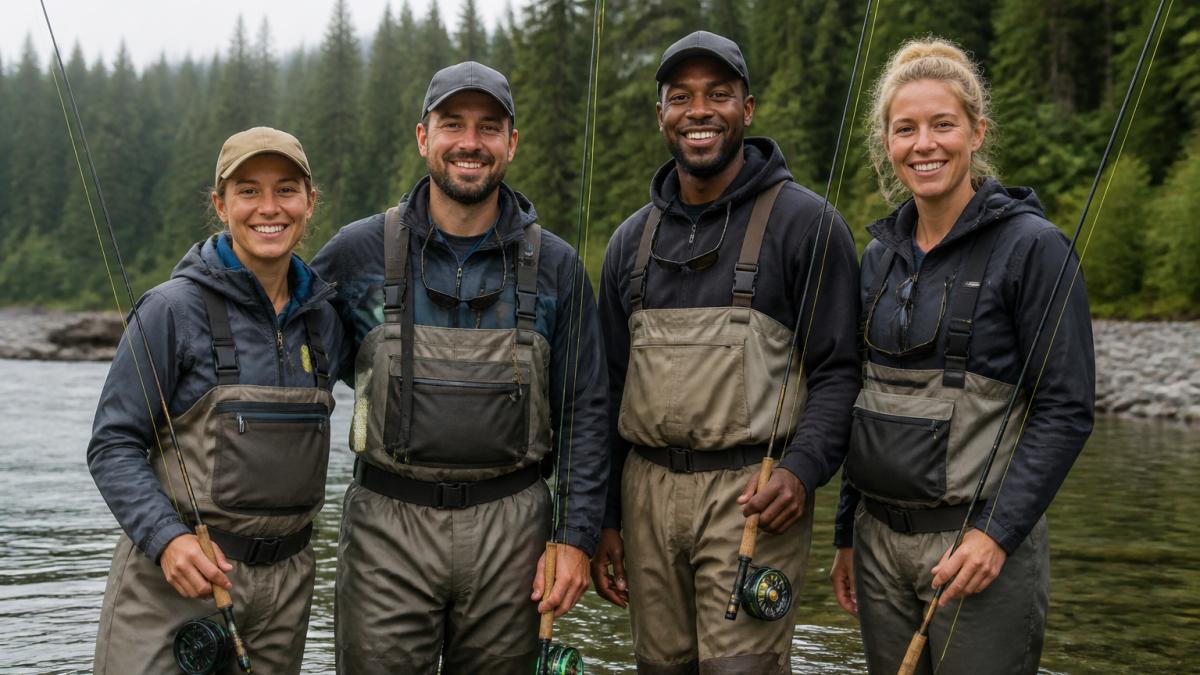
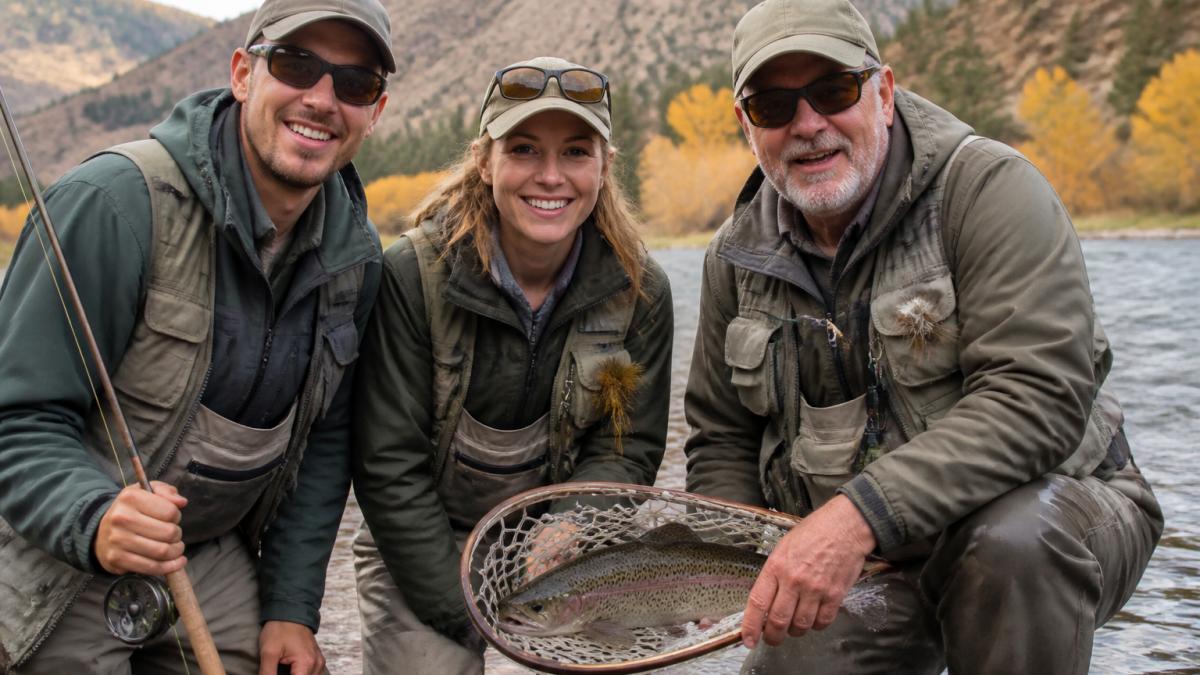
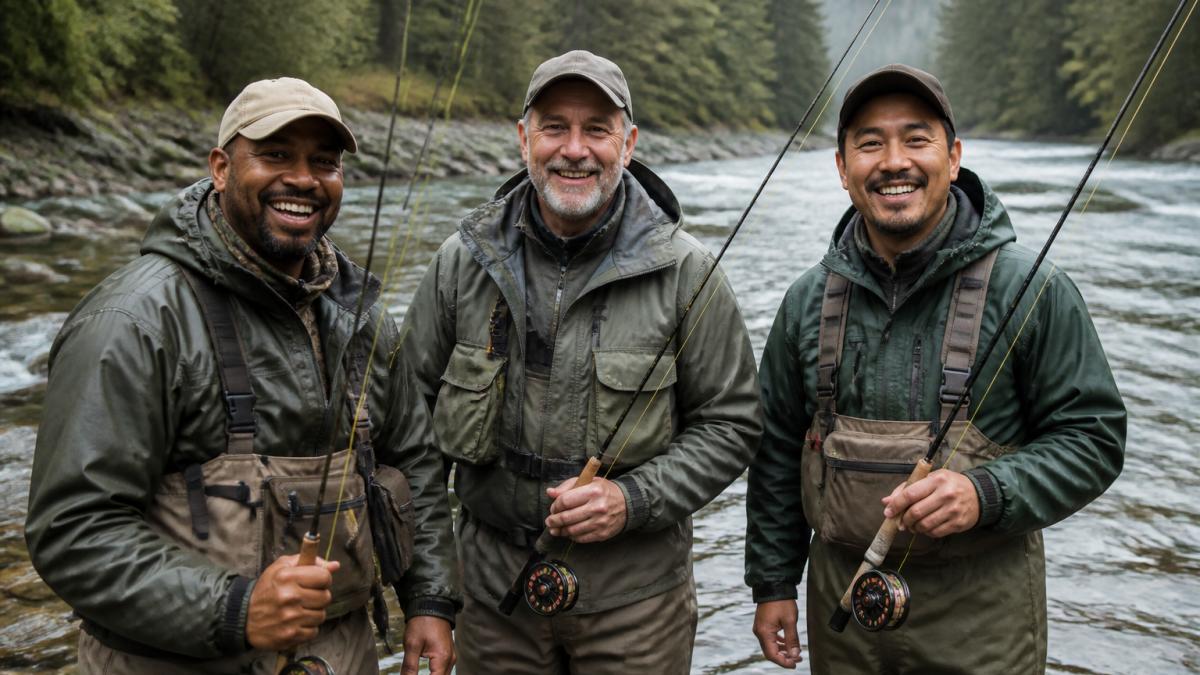
Yes, most fly fishing guides provide gear for guided trips, and fly fishing guides provide gear that covers the essentials.
A guide's primary job is getting you on the water and catching fish. Most offer rods, reels, waders, and flies, but quality and completeness vary between outfitters, understanding these differences helps you choose the right guide.
The real question is whether you want to use someone else's equipment or bring your own. Both work.
What Gear Fly Fishing Guides Typically Provide
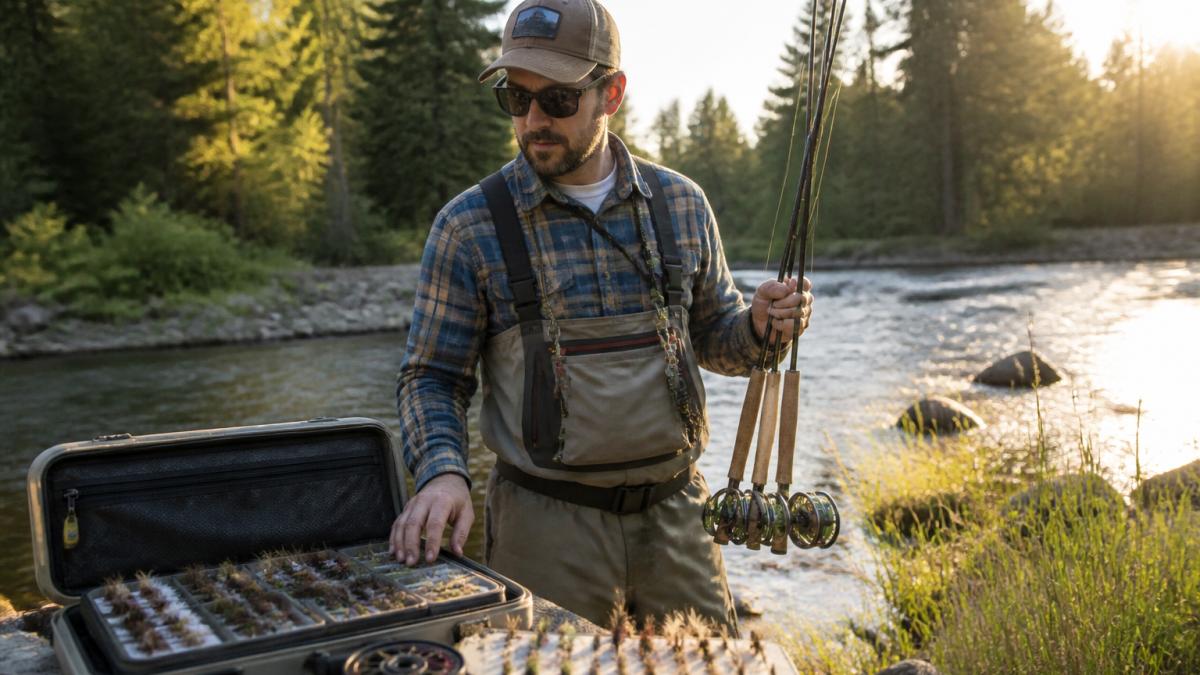
Most professional fly fishing guides include the core tackle: fly rods, reels, waders, wading boots, and flies matched to local conditions.
Rods and Reels
Most guides provide rods in the 8 to 9-foot range, with a weight rating (typically 4- to 6-weight for freshwater) matched to the fish and conditions.
Reels are usually well-maintained, with a smooth drag and enough backing and line for the water. Guides maintain equipment regularly because it impacts their reputation and your success rate.
The rods and reels aren't premium custom setups, but they're professional-grade and suitable for learning and catching fish.
Tackle and Flies
Guides carry extensive fly boxes with patterns proven on local waters, and they know which flies work in spring versus fall, high versus low water, and different weather.
Fly selection makes an enormous difference, a guide's knowledge of local patterns can mean the difference between a frustrating day and a productive one.
Leaders and tippet, the thin lines connecting your fly line to the fly, are also provided, in multiple sizes and strengths adjusted throughout your trip.
Do Fishing Guides Provide Waders and Boots?
Yes, waders and wading boots are almost always included, and they're the single most expensive category of gear you avoid buying. A new breathable wader and boot combo commonly runs several hundred dollars at retail, so this inclusion alone justifies a meaningful share of a trip's cost (Fly Fishing Waders). But "included" hides two logistics most outfitters never explain up front: sizing and hygiene.
Sizing: What Guides Actually Stock
Most outfitters stock waders from small through 3XL or 4XL, plus a spread of boot sizes. The catch: popular sizes, medium and large waders, men's 9-11 boots, are what most clients need, so on busy weekends they may already be out. A few practical realities:
- Women's and youth sizing is hit-or-miss. Many shops stock unisex waders and expect women to size down. If you are under about 5'4" or wear a women's size below 8, confirm availability before booking.
- Boot sizing runs differently than street shoes. Wading boots are worn over stockingfoot waders, so your boot size is usually one size up from your normal shoe. Tell the guide your street shoe size and let them convert.
- Big-and-tall is the hardest gap to fill. If you wear a men's 13+ boot or need a tall wader, call ahead, some outfitters will special-order, others will refer you to a rental shop.
- Provide height, weight, and shoe size at booking. This is the single most useful thing you can do. Guides use it to pull your gear before you arrive.
Hygiene: The Question Nobody Wants to Ask
Rented and loaner waders are shared equipment, and yes, they've been worn by someone else. Professional outfitters treat this as a real operational issue: a standard routine rinses waders and boots in fresh water, scrubs the inside of boots, and dries them fully between trips.
This matters beyond comfort. Felt-soled boots, still legal in some waters, are a known vector for transferring invasive species and whirling disease between watersheds, which is why a growing number of states restrict or ban felt soles.
When you book, it is completely reasonable to ask:
- How are waders and boots cleaned between clients?
- Do you have a spare set if mine leaks?
- Are your boots rubber-soled or felt, and what does this water require?
What to Bring Even When Waders Are Provided
Even with loaner waders, pack:
- Wading socks or a thin liner sock. They add warmth and reduce the chance of chafing against a seam that fits someone else's leg.
- A belt. Most waders include one, but a properly cinched belt is a safety item, it slows water entry if you go down.
- A dry bag or change of clothes in the vehicle. Leaks happen. So does rain.
If sizing or hygiene is a dealbreaker, buy your own waders before the trip. A basic breathable stockingfoot wader and rubber-soled boot is the one gear purchase worth making early, because it's the item most likely to fit poorly when borrowed.
What to Bring on a Guided Fly Fishing Trip
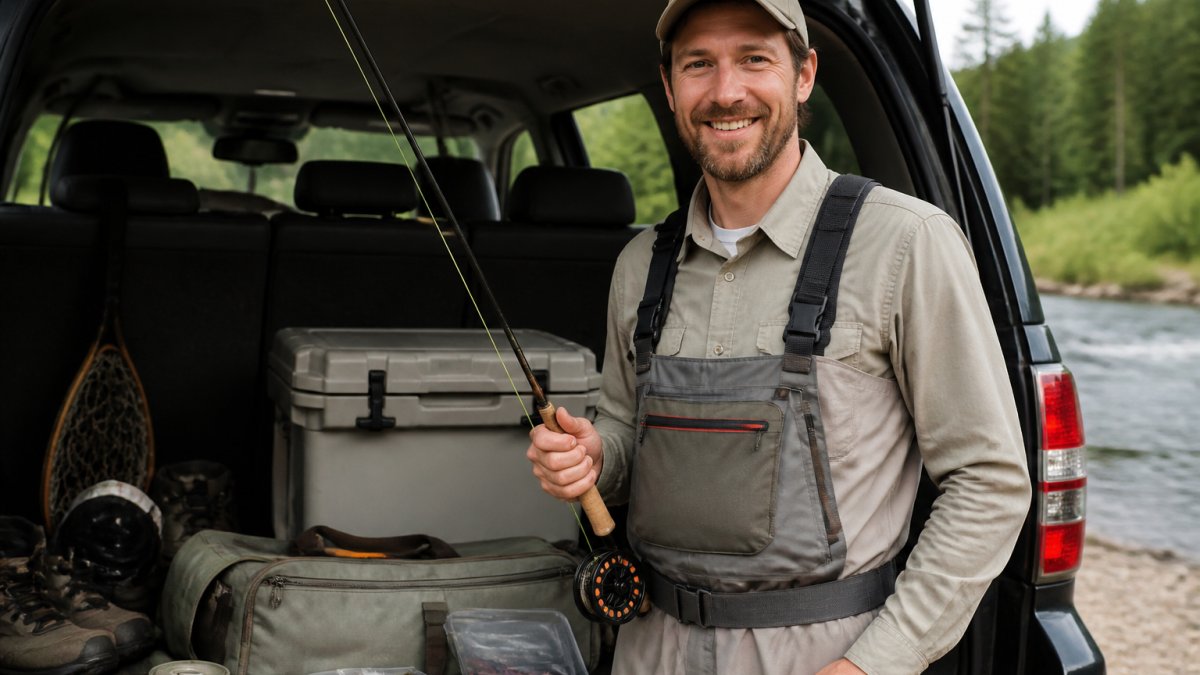
While guides provide core tackle, bring personal items that affect your comfort and safety.
Personal Comfort Items
Bring layers even if the weather looks mild, river temperatures drop quickly.
Sunscreen and a hat are non-negotiable. Sun reflects off the water and intensifies exposure, even on cloudy days (the CDC).
Bring snacks and water. Your guide will likely provide some, but having your own ensures you stay hydrated and fueled. Energy bars, nuts, and fruit travel well.
Polarized sunglasses are essential, they cut glare and let you see fish beneath the surface.
Health and Safety Essentials
Pack a small first aid kit. River environments present minor injury risks: cuts from rocks, insect bites, or small scrapes.
Bring any personal medications you need. Your guide isn't responsible for managing your health needs, so keep regular medication with you.
Insect repellent matters, especially in certain seasons. Ask your guide which insects are active during your trip dates and come prepared.
Tell your guide about any health conditions or physical limitations before you start.
Renting vs. Buying Your Own Fly Fishing Equipment
The decision to rent, use guide-provided gear, or buy your own comes down to three questions: how often will you fish, what does "gear included" actually cover, and does your personal setup match the water. Most articles stop at the first question; the second and third are where people get surprised.
What "Gear Included" Usually Means, and What It Doesn't
When a guide says gear is provided, that almost always covers the big-ticket durables: rod, reel, line, waders, boots, and flies. What varies is the consumables, items used up, broken off, or lost during the day:
- Flies. A guide may hand you flies from their box at no charge, or may bill you for flies you lose or keep. A productive day can consume a dozen or more flies between snags, break-offs, and fish that tear up the pattern.
- Tippet and leaders. These are the tapered and straight monofilament or fluorocarbon sections between your fly line and fly. Guides carry them and typically replace them as needed at no extra cost, but some outfitters treat leader spools as a billable item.
- Split shot, indicators, and strike putty. Small consumables that add up.
- Lost or damaged rods. If you break a guide's rod, expect to be charged for repair or replacement. This is the single largest hidden-cost risk of using loaner gear.
When Bringing Your Own Rod Actually Helps
Using the guide's rod is right for most beginners, but there are situations where your own is genuinely better:
- You already cast well and are comfortable with your setup. Switching rods mid-trip costs you the muscle memory you have built. If you can double-haul and shoot line with your own 5-weight, bring it.
- You are fishing a technique the guide's loaner rods are not set up for. A guide's fleet is usually rigged for the dominant local method. If you want to throw streamers on a sink-tip line while the guide's rods are all rigged for dry-dropper, your own setup saves rigging time.
- You are chasing a specific species or size class. A 3-weight for small native trout and an 8-weight for bass or saltwater are very different tools. If your trip targets one of these and you own the right rod, bring it.
When it does not help: if you are a beginner, or if your rod's weight does not match the water. A 4-weight is frustrating on a windy reservoir; a 9-weight is overkill on a small spring creek. Let the guide match the tool to the water.
The Real Math on Renting vs. Buying
Renting a rod and waders from a local shop is a low-commitment way to practice between guided trips and test rod weights before buying.
A common pattern is a hybrid approach: rely on guide-provided gear for the first one or two trips, rent between trips to practice, and buy a single versatile rod, typically a 9-foot 5-weight, once you know you're hooked.
What to Ask a Fly Fishing Guide Before Booking
Smart questions before booking ensure you get what you expect.
Ask what gear is included in the trip cost. Clarify whether rods, reels, waders, boots, and flies are all provided.
Ask about the guide's experience with beginners.
Ask about the guide's success rate.
Ask what to bring beyond what's provided.
Ask about local knowledge. How long have they fished these waters, and what patterns have they observed over seasons?
How to Prepare for Your First Guided Fly Fishing Experience
Preparation transforms your first guided trip from intimidating to enjoyable.
Arrive early.
Watch a few YouTube videos on basic fly casting beforehand.
Ask the guide to explain what they're seeing, fish location, current patterns, feeding behavior.
Jot down what you learn.
Don't worry about looking inexperienced. Every angler started as a beginner, and guides work with beginners constantly. Focus on learning, not impressing anyone.
Ask about follow-up lessons or future trips.
Choosing a guided fly fishing trip removes the barrier to entry for beginners: professional instruction, proven equipment, and access to productive water without buying your own gear.
Frequently Asked Questions
Do fly fishing guides provide rods and reels?
Yes, most professional fly fishing guides provide high-quality rods and reels as part of their service. These are typically professional-grade equipment suited to the water type and fish species you'll be targeting. However, you should confirm this when booking, as some guides may require you to bring your own or offer rental options. Always ask what's included in your guided trip package before committing.
What should I bring on a guided fly fishing trip?
Bring personal items like sunscreen, a hat, polarized sunglasses, and weather-appropriate clothing in layers. Pack snacks, water, and any medications you need. Wear comfortable, secure footwear if not using guide-provided boots. Avoid cotton clothing as it retains moisture. Bring a small towel or microfiber cloth. Most guides provide waders, rods, reels, and tackle, but confirm your guide's gear inclusions when booking to know exactly what to prepare for.
Do fishing guides provide waders and boots?
Many guides include waders and wading boots in their service, though this varies by guide and outfitter. Professional-grade waders are essential for fly fishing, so guides typically provide them to ensure proper fit and function. Sizing can be tricky, so mention your size when booking. Some guides may ask you to bring your own if you prefer a specific fit or have sizing concerns. Always confirm wader and boot inclusion during your pre-trip conversation with your guide.
What should I ask a fly fishing guide before booking?
Ask which gear is provided (rods, reels, waders, boots, flies, tackle) and what you need to bring. Confirm the water type (saltwater vs. freshwater), expected fish species, and skill level required. Inquire about the guide's experience with beginners if you're new to fly fishing. Ask about cancellation policies, what time you'll start, and whether instruction or just fishing is the focus. Clarify pricing and tipping expectations. Finally, ask about physical demands and any limitations for the trip.