 how-to
How to Book a Private Fishing Trip: Complete Guide
Table of Contents
- Determine Your Trip Type and Private Charter Duration
- Understand Guided Fishing Trip Cost and Pricing Factors
- Find and Compare Private Fishing Charters
- Use Fishing Charter Booking Apps and Online Platforms
- Ask Questions to Ask a Fishing Guide Before Booking
- Complete Your Booking and Prepare for Your Trip
- Avoid Common Booking Mistakes
- Frequently Asked Questions
Last Updated: October 13, 2026
Determine Your Trip Type and Private Charter Duration
Learning how to book a private fishing trip starts with one decision: what kind of experience do you want? Half-day versus full-day shapes cost, catch expectations, and physical fatigue. The answer depends on your skill level, schedule, and goals.
Half-day versus full-day trips
Half-day trips run four to five hours. They suit beginners testing whether fly fishing is their thing, anyone with limited time, or anglers focused on technique over quantity. It's long enough to learn casting fundamentals, water reading, and land a few fish, but short enough to avoid exhaustion.
Full-day trips run six to eight hours and suit experienced or serious anglers. You'll cover more water, adjust strategy if the first spot isn't productive, and encounter changing conditions, with more time to refine technique.
Seasonal considerations and availability
Availability depends on the season. Spring and fall offer the best conditions and book up fastest, so plan ahead. Summer is productive but often needs early departures to dodge midday heat. Winter is possible but challenging and unpredictable.
Check which species are active in your timeframe, booking during peak season for your target dramatically raises success rates. Contacting a fishing guide directly helps here: they know real-time conditions, not just general patterns.
Understand Guided Fishing Trip Cost and Pricing Factors
The base charter fee is only one line on the final bill. Treat pricing as a stack of line items you add up before you pay, not a single number you compare.
Build a total-cost worksheet before you compare
Fill in a real number for each line item below, for every charter you're considering. The lowest base rate often loses once the full stack is visible.
- Base charter fee, quoted per trip, not per person, for a private boat.
- Deposit, usually a percentage of the total, paid up front to hold the date.
- Additional-angler fee, charged per person above the included headcount.
- Gratuity, customary for the captain and, on larger boats, the mate; budget it as a real cost, not an optional afterthought.
- Fishing license, required in most states for anglers 16 and older; some operators sell or arrange it, others don't.
- Gear and tackle, rods, reels, flies or bait, and terminal tackle may be included or rented separately.
- Fuel surcharge, more common on offshore trips where the run to the grounds is long.
- Food and beverages, sometimes included, sometimes a separate charge, sometimes bring-your-own.
- Cleaning and filleting, a per-fish or flat fee on some boats if you want your catch processed.
- Travel and lodging, your cost to reach the dock, plus any overnight stay for early departures.
Deposits, cancellation windows, and refund mechanics
Most operators require a deposit to secure a private date, typically non-refundable inside a cancellation window. The window is the number that matters: common terms range from 48 hours to 14 days before departure. Weather is handled separately, if the captain cancels for unsafe conditions, the trip is rescheduled or the deposit refunded, but a customer-initiated cancellation for weather the captain deems fishable usually is not.
Get three things in writing before you pay:
- The deposit amount and the exact date it becomes non-refundable.
- The weather-cancellation rule, including who makes the call and how you're notified.
- The rescheduling policy, how many times you can move the date, and whether a reschedule carries a fee.
Where the surprises hide
The costs that catch anglers off guard are rarely the base fee. They're the additional-angler charge when a friend joins late, the fuel surcharge on a long offshore run, gear rental when included tackle is basic, and the gratuity mentioned only at day's end. Ask about each directly, and confirm whether the quote is all-in or a starting price.
Find and Compare Private Fishing Charters
Finding the right charter means searching by location and target species, you want a guide who knows where fish are biting now and has the credentials to prove it.
Search by location and target species
Identify which waters you want to fish, local rivers, lakes, or coastal areas, then search for charters specializing in that species and body of water. A guide with five years on one river knows it better than someone working multiple locations.
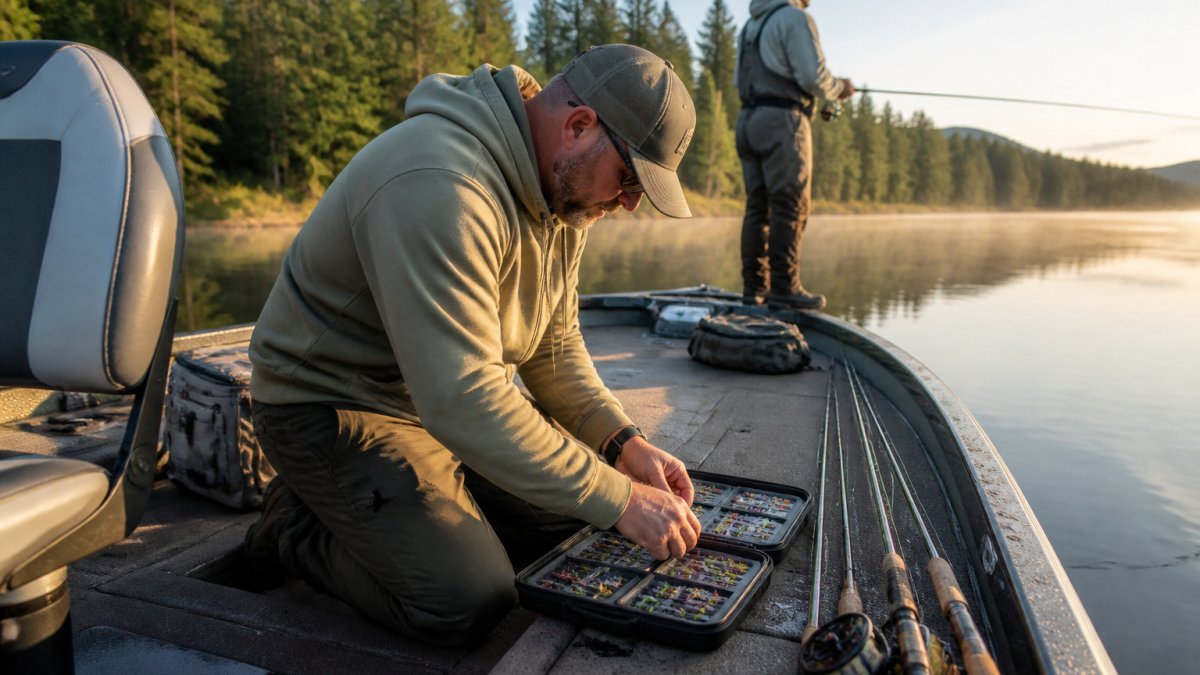
When you search online for a private fishing trip, include the water name, species, and your location. This filters out irrelevant results and surfaces local guides. Smith River Outfitter Raleigh Fly FIshing focuses on local waters and understands the conditions and seasonal patterns that affect success.
Review ratings and verify credentials
Check reviews on multiple platforms before booking. Look for patterns, not just star ratings: did anglers catch fish? Was the guide patient with beginners? Did the charter run on time?
Verify credentials. Most states require guides to carry licenses and permits, so ask directly whether yours is licensed, insured, and certified. It protects you if something goes wrong and signals professionalism.
Use Fishing Charter Booking Apps and Online Platforms
You have two main paths to booking: through online platforms or by contacting operators directly.
Booking platforms versus direct contact
Online platforms offer convenience and standardized cancellation policies: compare charters side by side, read reviews, book instantly. The downside is commission, sometimes passed to you as higher prices, and no direct relationship with the guide before you book.
Direct contact, calling or emailing the operator, takes more effort but often yields better results. Ask about current conditions, what to bring, what to expect, and whether your group is a good fit. Many guides offer better rates direct since they avoid platform fees. Direct communication means personalized advice before your private fishing trip even begins.
Ask Questions to Ask a Fishing Guide Before Booking
A short call or email before you pay separates a good trip from an expensive mistake. Use the list below as a script, and write answers down so you compare operators on the same criteria, not personality.
Trip and logistics questions
- What time do we leave the dock, and what time do we return?
- Where exactly do we meet, and is there parking?
- How many anglers are included in the base price, and what is the fee for each additional person?
- Is the price all-in, or are there fuel, gear, license, or cleaning charges on top?
- What is the deposit, and when does it become non-refundable?
- What is the weather-cancellation and rescheduling policy?
Experience and local-knowledge questions
- How long have you fished these specific waters?
- What species are you targeting this time of year, and what has been working lately?
- What is a realistic expectation for a trip like ours, numbers of fish, size, or just time on the water?
- Do you teach technique, or do you focus on putting us on fish? (Beginners should ask this directly.)
- What happens if the fish aren't cooperating, do you have a backup plan or a second location?
Safety, credentials, and gear questions
- Are you licensed and insured, and can you provide proof?
- What safety equipment is aboard, life jackets, first-aid kit, radio, and how do you monitor weather?
- What gear is provided, and what should we bring ourselves?
- Do we need our own fishing licenses, or do you handle that?
- What is the physical demand, wading, walking, casting distance, and how much time standing?
How to read the answers
A guide who answers specifics, departure time, target species, cancellation window, is usually organized. One vague on inclusions, licensing, or safety is a risk regardless of price. If an operator won't put key terms in writing, keep looking.
Complete Your Booking and Prepare for Your Trip
Once you've chosen a charter and asked your questions, booking is straightforward, but preparation matters as much as the booking.
Secure your reservation and confirm details
Most charters require a deposit to hold your date; pay by whatever method the operator offers. Get a confirmation email with date, time, meeting location, what to bring, cancellation policy, and the weather-cancellation plan.
One week out, confirm directly with your guide: restate the date and time, ask about current conditions, and verify nothing has changed. This prevents misunderstandings and surfaces details you may have forgotten.
Pre-trip preparation and what to expect
The night before, pack your gear carefully if you're bringing your own. Even with guide-provided equipment, bring layers, water conditions can be cold even in mild weather, plus sunscreen, a hat, and polarized sunglasses. Eat a good breakfast; you'll be active for hours.
Arrive 10-15 minutes early. Your guide will review safety, show you the boat and equipment, and answer last-minute questions. Most spend the first 15-30 minutes teaching or reviewing casting technique before you fish, that time sets the tone for the trip.
Avoid Common Booking Mistakes
The most expensive mistakes happen before you book. Learning from others' errors saves time and money.
Many anglers book the wrong trip type, a half-day when they need a full day, or vice versa. Be honest about your schedule and expectations; a rushed trip leaves you frustrated.
Another common error is choosing a guide on price alone. The cheapest charter isn't always the worst, but it's rarely the best, a lower rate can mean less experience, less productive water, or minimal instruction.
Failing to read the cancellation policy causes real problems: some operators don't refund deposits inside seven days, others refund in full if weather cancels. Know the terms before you pay.
Booking a private fishing trip doesn't have to be complicated. Clarify your trip duration, target species, and location; research guides who specialize in that combination; verify credentials; and ask direct questions about experience and inclusions. Confirm details one week out, arrive early, and keep realistic expectations.
Ready to book your first guided fly fishing experience? Contact Smith River Outfitter Raleigh Fly FIshing to discuss your goals, current skill level, and what you hope to accomplish on the water.
Frequently Asked Questions
What should I ask a fishing guide before booking a private fishing trip?
Ask about the guide's experience with your skill level, what species you'll target, what equipment is provided, what you need to bring, cancellation policies, and what success rate they typically see. Confirm the exact departure time, location, and how many people can fit on the boat. Ask whether a fishing license is required and if the guide provides one or if you need to purchase it separately.
How much does a guided fishing trip cost?
Pricing depends on trip duration, boat size, target species, group size, and whether equipment rental is included. Contact your chosen charter operator directly for a current quote, as costs vary significantly by location, season, and what's included in the package. Ask about deposit requirements and whether additional fees apply for extra passengers or special requests.
What is usually included in a private fishing charter?
Most private fishing charters include the boat, a professional captain or guide, basic fishing equipment and tackle, and knowledge of productive fishing spots. Many include bait or lures. Some provide meals or beverages. Always confirm what's included before booking, equipment rental, licenses, meals, and transportation may cost extra depending on the operator.
How far in advance should I book a private fishing trip?
Book at least 2-4 weeks ahead during peak season to secure your preferred date and time. Off-season trips may require less advance notice. Popular guides and charter operators fill up quickly, especially for weekends and holidays. Contact the operator early to check availability and lock in your reservation.