 how-to
Why Hire a Professional Fishing Guide
Table of Contents
- What a Professional Fishing Guide Actually Does
- Are Guided Fishing Trips Worth It
- How to Choose a Fishing Guide
- What to Expect on a Guided Fishing Trip
- Questions to Ask a Professional Fishing Guide
- Guides for Beginners vs. Experienced Anglers
- Frequently Asked Questions
Last Updated: October 20, 2026
What a Professional Fishing Guide Actually Does
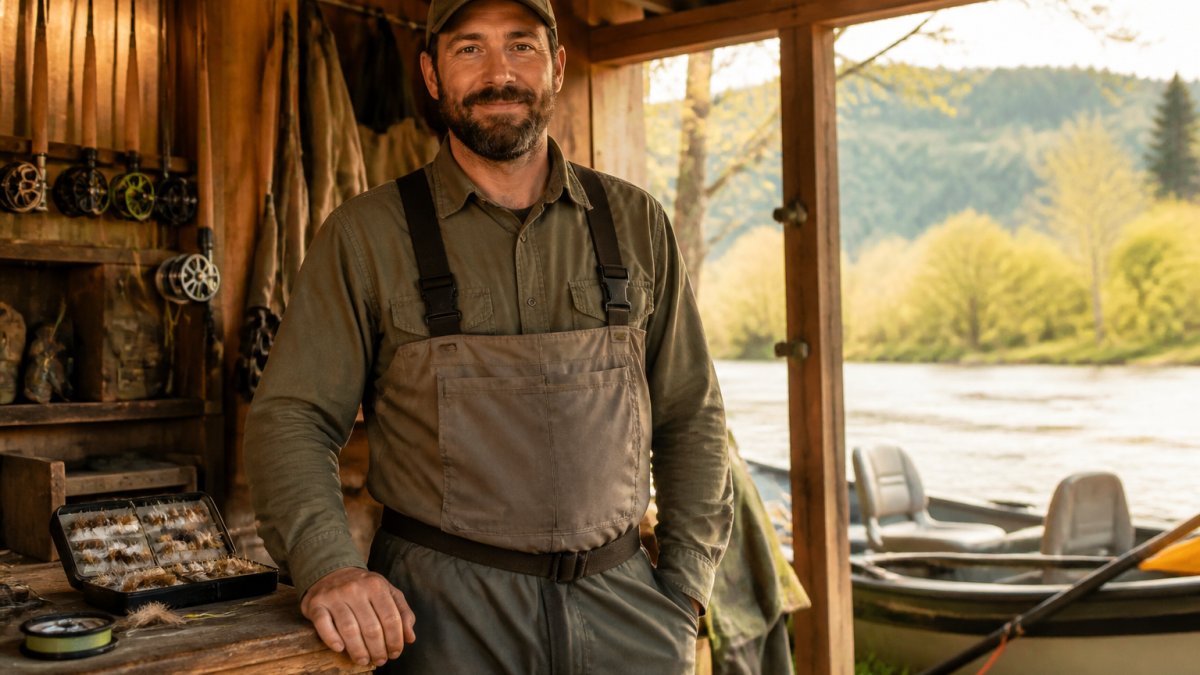
A professional fishing guide is a trained expert who leads anglers on fishing trips, combining local knowledge with hands-on instruction to help you catch fish safely.
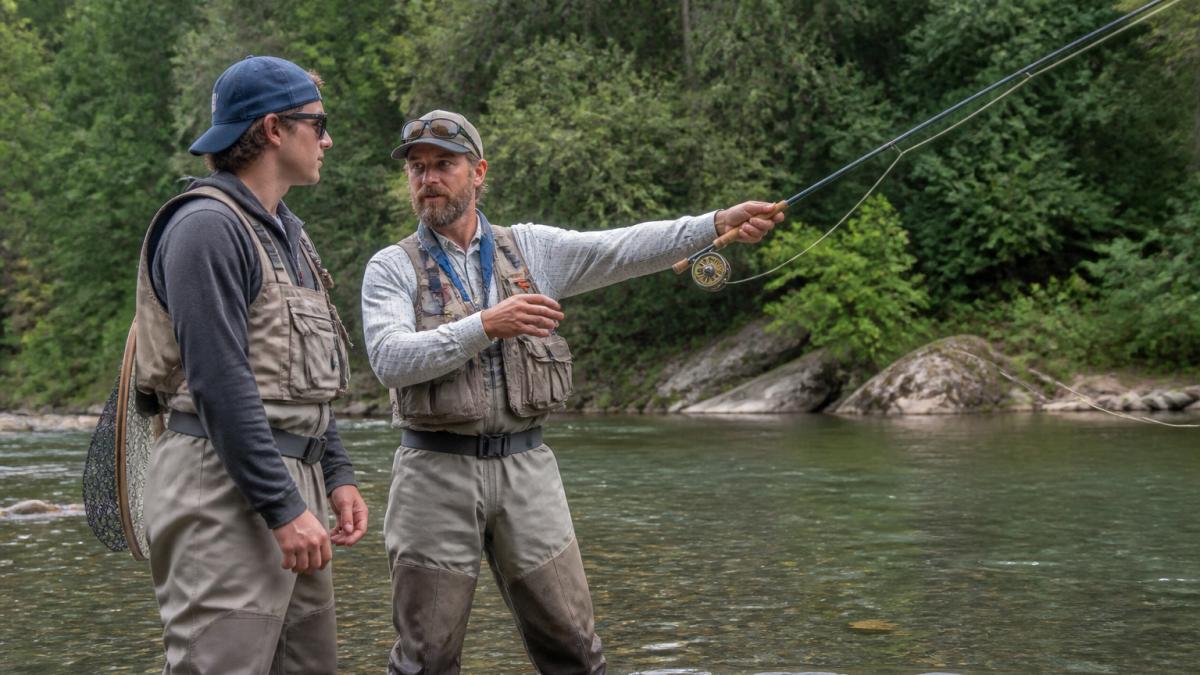
We work with anglers of all skill levels. Beginners often assume guides just point to a spot and let you cast; a real guide reads the water, adjusts to conditions, and teaches you why certain techniques work.
The role goes beyond fishing: a guide manages safety, handles boat operations, maintains gear, and structures the trip to maximize your chances of success.
Are Guided Fishing Trips Worth It
Whether a guided trip makes sense depends on what you value and what you're trying to achieve.
Local Knowledge and Fish-Finding Expertise
A professional guide knows specifically where fish are, understanding seasonal patterns, water temperature shifts, and how recent weather affects fish behavior and location.
Fishing alone means trial and error and hours in the wrong place. A guide eliminates that waste: they know which stretches hold fish in spring versus summer, how a recent flood changes positioning, and which subtle features concentrate fish.
This expertise is especially valuable for visitors with a three-day window: a guide ensures those days connect with fish, not empty water.
Equipment and Gear Provided
Most professional guides provide rods, reels, lines, and tackle, removing a major barrier for beginners. You don't need to invest in equipment before discovering whether fly fishing fits your life.
Equipment quality varies. A well-maintained rod and reel makes a real difference; poor equipment frustrates beginners and limits experienced anglers.
Instruction and Confidence Building
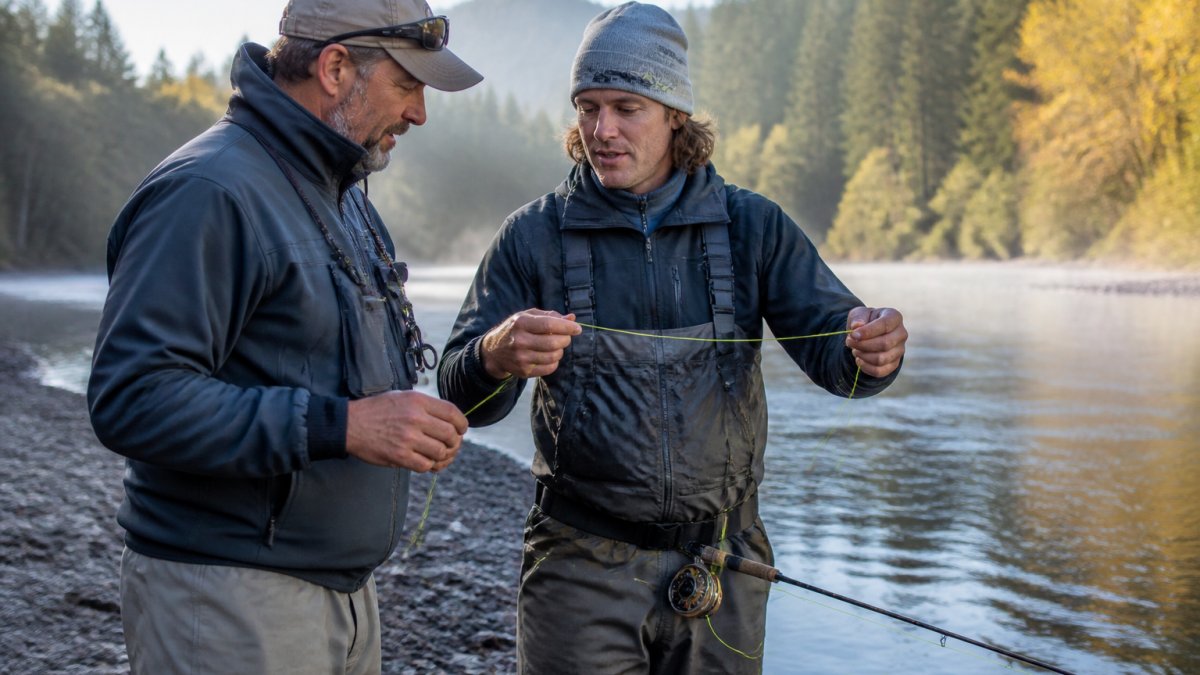
A guide teaches you to fish, not just takes you fishing: casting fundamentals, reading water, selecting flies or lures, and adjusting technique to conditions.
The real value is confidence: a beginner leaves understanding how to approach a river, what to look for, and why certain decisions matter.
How to Choose a Fishing Guide
Choosing the right guide shapes your entire experience. The difference between a great trip and a disappointing one usually comes down to a handful of verifiable facts you can check before paying a deposit.
Start With Your Goal and Trip Format
Before comparing guides, decide what you actually want. A visiting angler wants fish located fast, a beginner wants instruction and patience, and an experienced angler exploring new water wants access and local technique. Your goal determines which guide type fits:
- Freshwater vs. saltwater: A freshwater guide knows seasonal flows, hatches, and structure; a saltwater guide reads tides, currents, and flats or nearshore structure. These are different skill sets.
- Fly fishing vs. conventional tackle: Fly guides teach casting, line management, and fly selection. Conventional guides focus on bait, lures, and presentation. Match the method you want to learn.
- Boat-based vs. shore-based or wade trips: Boat trips cover more water; wade and shore trips are often cheaper and better for reading water and casting.
The Pre-Booking Vetting Checklist
Licensing and permits
- Are you licensed to guide on the waters we'll fish? In most states, guides need a guide license or business registration, and some waters require additional permits. Ask for the license number and issuing agency.
- Do you carry the required Coast Guard credentials if we're on a boat? Vessels carrying passengers for hire typically require a licensed captain and documented vessel.
Insurance
- Do you carry general liability insurance for guided trips? Ask for a certificate of insurance or a clear yes with the carrier name.
- If we're on a boat, is the vessel insured for commercial passenger use?
Safety equipment and procedures
- What safety equipment is on the boat or carried on wade trips? Look for life jackets sized for every passenger, a first-aid kit, communication devices, and, on larger waters, an emergency position-indicating beacon.
- What is your emergency plan if someone is injured or weather turns? A good guide can describe evacuation routes, cell or radio coverage, and how they monitor forecasts.
- Do you require a safety briefing before we start? It should cover boat movement, hook safety, and what to do if someone goes overboard.
Experience and specialization
- How many days per year do you guide, and how long have you guided these specific waters? Days on the water matter more than years in business.
- What species do you target most, and what is a realistic outcome for the season I'm booking? Honest guides describe typical catch ranges and conditions rather than promising numbers.
- Do you guide beginners, experienced anglers, or both? Ask how they adjust pace and instruction for your skill level.
References and reviews
- Can you provide two or three references from anglers at my skill level? A guide confident in their service will share contacts.
- Where can I read recent reviews? Look for reviews from the past season and from anglers with goals similar to yours. A five-star review from an expert tells you something different than one from a first-timer.
Cancellation, weather, and payment terms
- What is your cancellation policy for weather, illness, or personal emergencies? Ask about the deposit amount, refund window, and whether weather cancellations are rescheduled or refunded.
- What deposit do you require, and what payment methods do you accept? Typical deposits run a portion of the trip cost, with the balance due on the day.
- Is gratuity expected? Tipping guides is customary in many markets; ask what is typical so you can budget.
Red Flags to Watch For
- Vague or evasive answers about licensing or insurance.
- No safety briefing mentioned and no life jackets sized for passengers.
- Pressure to pay a full deposit before answering basic questions.
A guide who answers clearly and honestly, and can produce license and insurance details on request, is worth booking. That paper trail is the clearest signal you're hiring a professional rather than someone with a boat and a free weekend.
What to Expect on a Guided Fishing Trip
Knowing what a typical day looks like, what it costs, and how to prepare helps you get the most from your trip and avoid surprises.
Booking Logistics and Preparation Checklist
Book early, especially in peak season. Popular guides and prime dates fill weeks or months ahead. When you book, confirm the meeting point, start time, and what the guide supplies versus what you bring.
Before you go:
- Confirm your fishing license. In most states, anglers need their own license even on a guided trip; some guides can sell or arrange one, but don't assume. Ask before you arrive.
- Ask what the guide provides: rods, reels, tackle, flies or bait, life jackets, water, and lunch vary by guide. Get a clear list.
- Bring layers, rain gear, sun protection, polarized sunglasses, a hat, and non-slip footwear. Wading boots or water shoes depend on the trip type; ask.
Day of trip:
- Arrive 15-30 minutes early for introductions, paperwork, safety briefing, and gear setup.
- Listen to the safety briefing and ask where life jackets are stored.
- Confirm the plan: where you're fishing, target species, expected conditions, and techniques.
What a Guided Trip Typically Costs
Prices vary widely by region, trip length, species, and whether the trip is private or shared. Understand the factors that move the price:
- Trip length: Half-day trips cost less than full-day trips; full-day trips usually offer better value per hour.
- Private vs. shared: Private trips cost more per person but include more individual instruction. Shared trips lower the per-person cost.
- Boat vs. wade: Boat trips carry fuel, maintenance, and insurance costs that wade trips don't.
When comparing guides, compare total cost for the same trip length and inclusions, not just the headline rate.
Safety, Accessibility, and Family Considerations
Water and weather carry real risks. A professional guide manages them, but you should understand the plan:
- Weather: Guides monitor forecasts and may reschedule or cancel for lightning, high wind, or unsafe water. Ask how decisions are made and who makes the call.
- Water safety: Confirm life jackets are available and sized for every passenger, and that the guide carries a first-aid kit and communication device.
- Accessibility: If you have mobility needs, ask about boat boarding, seating, walking distance, and terrain. Many guides can accommodate with advance notice; some cannot.
Realistic Outcomes and When a Guide Isn't the Right Fit
A guided trip improves your odds and your learning, but it doesn't guarantee fish. Ask what a realistic outcome looks like for the season and conditions. Honest guides describe typical catch ranges and explain that weather, water temperature, and pressure affect results.
A guide may not be the right choice if:
- You want to fish entirely on your own schedule and don't need instruction or local access.
- You're on a tight budget and already know the water; a lesson or a tackle shop's local advice may be enough.
- You want a large-group party boat experience rather than one-on-one instruction; a charter may fit better.
If you want to learn skills, access unfamiliar water, or improve your odds in a short window, a guide is usually the better investment.
On the Water: Your First Hours
Your guide starts with fundamentals if you're a beginner.
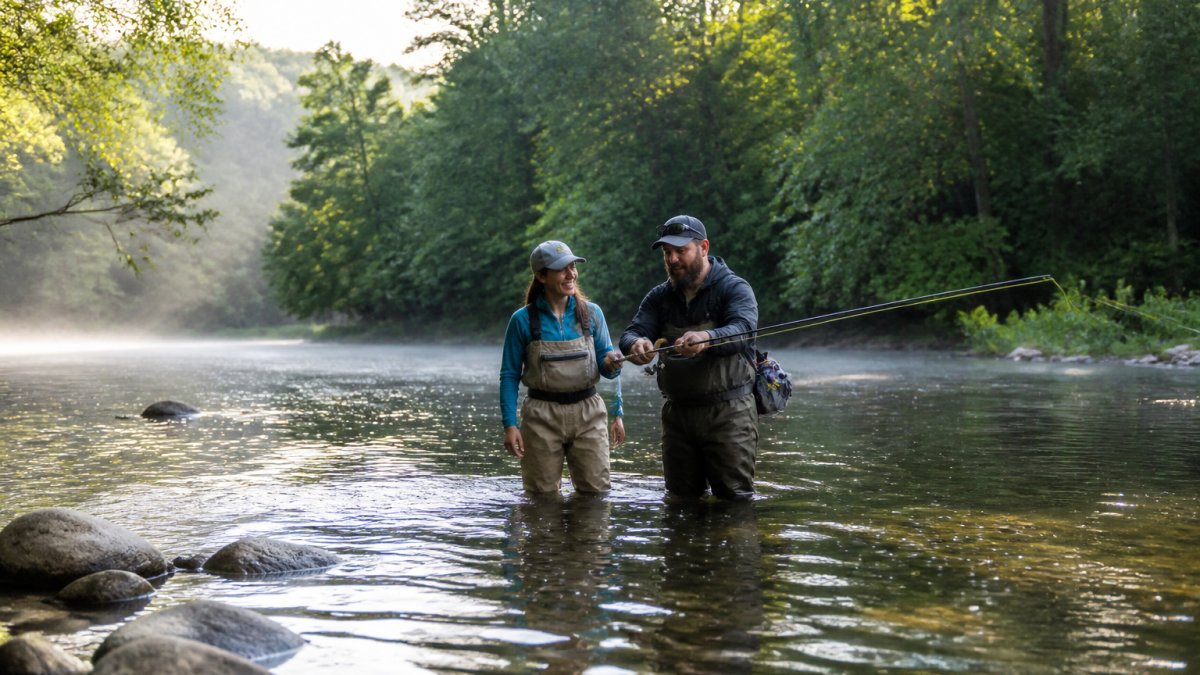
Once in the water, the guide positions you, watches your casting, and corrects problems immediately.
You'll make mistakes, tangled lines, sideways casts, broken-off fish. This is normal. A good guide treats it as part of learning and adjusts instruction based on what they see.
As the day progresses, the guide gradually reduces direct instruction and lets you fish more independently.
Questions to Ask a Professional Fishing Guide
Before booking, ask these specific questions:
About experience:
- How long have you been guiding?
- How many days per year do you spend on the water?
- What's your success rate on this species during this season?
About the trip:
- What's included in your rate?
- What should I bring?
- What's your cancellation policy if weather is bad?
About instruction:
- Do you teach casting and technique?
- How do you adjust if I'm struggling?
- What if I've never fished before?
About fish:
- What species will we target?
- What's realistic to expect to catch?
- What if we don't catch fish?
About logistics:
- What time do we start and finish?
- Where do we meet?
- Do you provide lunch or should I bring my own?
A guide who answers clearly and honestly is worth booking. A guide who seems annoyed by questions or gives vague answers is a red flag.
Guides for Beginners vs. Experienced Anglers
Beginners and experienced anglers need different things from a guide, and the best guides recognize this.
For beginners, the priority is instruction and confidence building.
For experienced anglers, the priority shifts. You already know how to cast and read water.
Matching the guide's approach to your skill level makes the difference between a frustrating day and a transformative one.
Hiring a professional fishing guide transforms how you experience the water.
Frequently Asked Questions
Are guided fishing trips worth it?
Yes, especially for beginners and anglers visiting new waters. A professional fishing guide cuts the learning curve dramatically by teaching proper technique in real conditions, providing access to productive fishing spots locals know, and supplying quality equipment you'd otherwise need to buy. Even experienced anglers benefit from local knowledge and higher catch rates. The value depends on your goals: if you want to learn fast, catch fish reliably, or explore unfamiliar waters, the investment pays for itself in confidence and results.
What should I ask a professional fishing guide before booking?
Ask about their experience with your skill level, which fish species they target most, what equipment they provide, how many clients they typically take per trip, what weather conditions they fish in, and their cancellation policy. Request details about the specific fishing grounds you'll visit and why they're productive right now. Ask whether they offer instruction or focus on fishing, and inquire about success rates and typical catch expectations. These questions reveal whether the guide matches your goals and experience level.
What to expect on a guided fishing trip?
Expect to arrive early for safety briefing and gear setup. Your guide will demonstrate casting and technique on the water, then position you at productive spots based on current conditions and fish activity. You'll spend most of the trip actively fishing with real-time feedback from your guide. Bring water, snacks, and sun protection. Trips typically include instruction, tackle management, and help landing fish. Beginners should expect a slower pace focused on learning; experienced anglers fish at a faster rhythm targeting specific species.
How do I choose a fishing guide?
Check their experience with your skill level and target species. Read reviews from other anglers about their teaching style, knowledge, and professionalism. Confirm they fish the waters you want to explore and have strong local knowledge. Verify what equipment they provide and whether they offer the type of trip you want (relaxing recreational or high-intensity instruction). Ask about their approach to beginners: guides who are patient and encouraging work better than those who assume prior knowledge. Request references or speak with past clients if possible.