 how-to
How to Book a Fly Fishing Guide: Step-by-Step
Table of Contents
- Define Your Fishing Goals and Skill Level
- Research and Vet Your Local Fly Fishing Guide Service
- Questions to Ask a Fishing Guide Before Booking
- Full Day vs Half Day Fly Fishing Trips
- Local Fly Fishing Guide Service Costs and What to Expect
- Fly Fishing Guide Tipping Etiquette and Post-Trip Feedback
- Prepare for Your Guided Trip
- Conclusion
- Frequently Asked Questions
Last Updated: October 2, 2026
Define Your Fishing Goals and Skill Level
Before you book a fly fishing guide, get clear on what you actually want from the experience. Are you a complete beginner who's never held a fly rod? An experienced angler visiting the area for the first time? Someone looking to escape work stress on weekends? Your answer changes everything about which guide fits you best.
Start by assessing your current skill level honestly. Have you cast before, even in your backyard? Can you tie basic knots? Do you understand fly patterns and water conditions? This matters because guides work differently with different skill levels. A beginner needs patience and foundational instruction. An experienced angler wants someone who knows the specific water and can help refine technique or locate fish in challenging conditions.
Next, define what success looks like for you. Some people come to fly fishing because they want to catch fish. Others want to learn the sport itself, stress-free, without pressure to perform. Some want a challenging day that pushes their abilities. These aren't the same goal, and a good guide will ask you to clarify. Matching your expectations with the right guide makes the difference between a day you'll repeat and one you'll regret.
Write down your specific goals:
- Catch fish (yes/no, and how many?)
- Learn casting technique
- Understand fly selection and water reading
- Explore a new river or area
- Get away from daily stress
- Challenge yourself physically
Knowing these answers before you call makes the conversation much more productive.
Research and Vet Your Local Fly Fishing Guide Service
Not all guides are created equal. A professional guide service differs from someone's uncle who fishes weekends. You need to verify credentials, insurance, and experience before handing over money and spending a full day on the water with a stranger.
Check credentials and commercial permits
A legitimate fly fishing guide operates under a commercial permit issued by your state's wildlife or fisheries agency. This isn't optional. A guide without a permit is operating illegally, and you could face fines or have your catch confiscated.
Ask directly: "Do you have a current commercial guide permit?" A legitimate service will provide the permit number without hesitation. You can verify it by contacting your state's wildlife agency. In most states, this information is public and searchable online.
Also ask about certifications. Some guides hold credentials from organizations like the Federation of Fly Fishers or have completed guide schools. These aren't required, but they signal commitment to professional standards. A guide with 15 years of experience and no formal certification might be excellent. A guide with recent training and certification is also credible. Don't weight one credential too heavily, but do ask what training they've completed.
Verify liability insurance
This is the part most people skip, and it's a mistake. A guide with liability insurance has protection if something goes wrong. You have protection too. If you're injured and the guide has no insurance, your medical bills are your problem.
Call the guide service and ask: "Do you carry liability insurance?" Request proof. A legitimate business will provide documentation without making it difficult. If they're evasive or don't have it, move on.
Read reviews and ask for references
Check Google reviews, Yelp, and the guide service's own website for testimonials. But don't just skim ratings. Read what people actually say. Are they mentioning specific guides by name? What did they catch? How was the instruction? Did the guide adapt to their skill level?
Look for patterns. One bad review might be an outlier. Three reviews mentioning that the guide was impatient with beginners is a real signal.
Ask the guide service directly for references before you book a fly fishing guide. Legitimate services will provide names of recent clients you can call. A guide who won't give references is hiding something. When you call a reference, ask specific questions: "How was the instruction?" "Did the guide seem knowledgeable about the water?" "Would you book again?"
Questions to Ask a Fishing Guide Before Booking
Your conversation with a guide should cover specific ground. These questions reveal whether the guide is right for you and whether they take the booking process seriously.
Guide experience and specialization
Ask: "How long have you been guiding?" and "What's your specialty?" Some guides specialize in dry fly fishing. Others focus on nymphing or streamer techniques. Some know one river inside out. Others guide multiple waters.
A guide with 20 years of experience is more credible than one with two years. But a guide with two years of focused, intensive experience on the specific water you want to fish might be better than a generalist with 20 years across five different rivers.
Also ask: "What's your approach to working with beginners?" or "How do you handle clients at my skill level?" The answer tells you whether they're patient and whether they've worked with people like you before.
Current river conditions and catch expectations
Conditions change. Water levels, temperature, weather, and seasonal hatches all affect what you'll encounter and what you're likely to catch. A guide who knows current conditions can set realistic expectations.
Equipment and rental options
Do you need to own gear before booking, or can you rent? This matters if you're trying fly fishing for the first time and don't want to invest hundreds of dollars in rods, reels, and waders yet.
Full Day vs Half Day Fly Fishing Trips
Choosing between a half-day and full-day trip depends on your goals, fitness level, and budget. Both have real advantages.
Local Fly Fishing Guide Service Costs and What to Expect
Guide services charge different amounts based on trip length, location, season, and what's included. Costs vary, so contact local services directly for current pricing and availability.
What's included in the price
Before you book, clarify what the price covers. Most guides include:
- Professional instruction and guidance
- Use of the guide's boat or access to water
- Flies
- Some guides include waders and rod rental; others don't
Ask explicitly: "What's included in your price?" and "What costs extra?" Some guides charge separately for:
- Equipment rental
- Parking or shuttle fees
- Lunch
- Mileage to remote locations
Knowing the full cost upfront prevents surprises.
Deposit and cancellation policies
A legitimate guide service requires a deposit to hold your date. This is standard. Deposits typically range from a percentage of the total cost to the full amount. Ask what the deposit is and whether it's refundable if you cancel.
Fly Fishing Guide Tipping Etiquette and Post-Trip Feedback
Tipping your guide is expected in the fly fishing industry. A guide spends a full day helping you catch fish, teaching you technique, and managing logistics. They're providing a service, and tipping reflects that.
Prepare for Your Guided Trip
A guided fly fishing trip requires specific preparation. You're spending hours on your feet in a river, casting repeatedly, and managing gear in a wet environment.
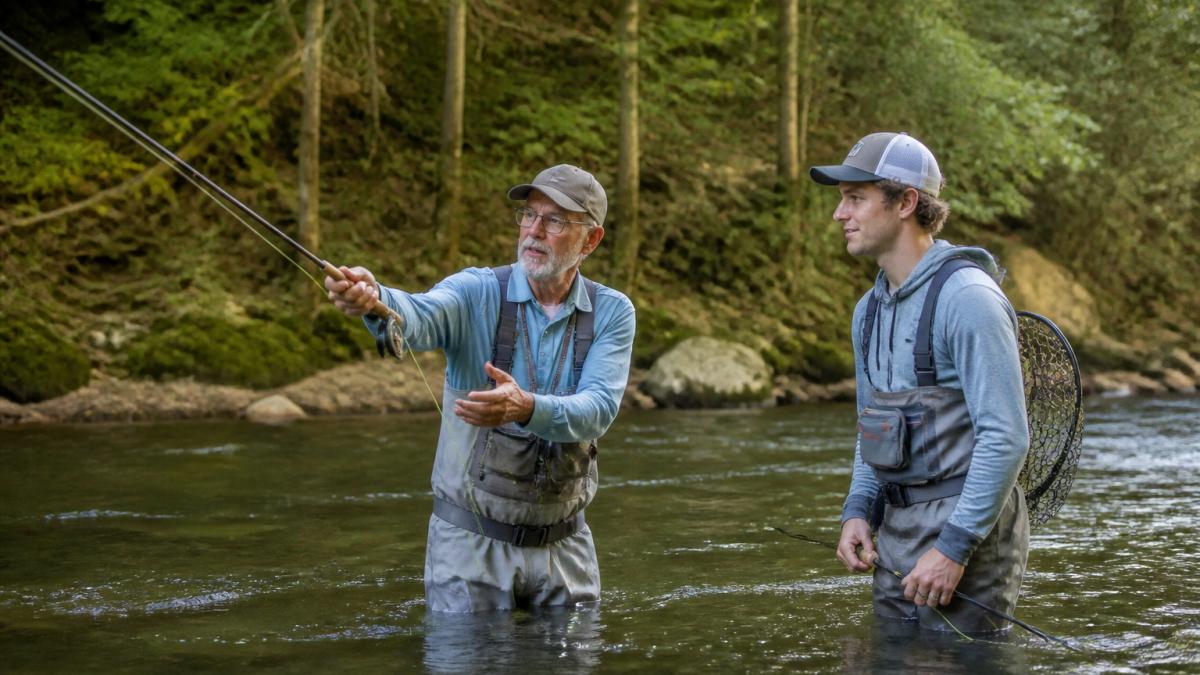
Gather the right gear:
- Comfortable, broken-in hiking boots or water shoes
- Layers you can remove (it's cold on the water early, warm by midday)
- Sunscreen and sunglasses with polarized lenses
- A small backpack for snacks and water
- A hat for sun protection
- Insect repellent (midges and mosquitoes are real)
Fishing license and legal requirements
You need a valid fishing license. Period. This is the law (Purchase a Fishing License). Buy one before your trip. In most states, you can get a short-term license online for a few dollars. Some guides include this in their service; others don't. Ask when you book.
Conclusion
Booking a fly fishing guide is a straightforward process if you do the work upfront. Define your goals, vet the guide's credentials and experience, ask the right questions, and prepare physically. Smith River Outfitter Raleigh Fly Fishing provides expert-led fly fishing experiences tailored to enthusiasts of all skill levels. By combining professional guidance with deep local knowledge, we ensure every outing is both educational and rewarding.
Frequently Asked Questions
How much do you typically tip a fly fishing guide?
Tipping a fly fishing guide typically follows standard service industry practices. Most anglers tip 15-20% of the guided trip cost for good service, with 20% being standard for exceptional experiences. If your guide goes above and beyond, such as securing a remarkable catch, providing detailed instruction, or adjusting the itinerary to match conditions, a higher tip reflects that effort. Some anglers also provide non-monetary tips like lunch, beverages, or positive reviews. Check with your outfitter about their tipping culture, as some guides work on commission structures that may affect expectations.
What should I ask before booking a fly fishing guide?
Ask about the guide's experience with your skill level, their specialization (certain water types or fish species), and current river conditions and realistic catch expectations. Inquire whether equipment rental is included, what your fishing license requirements are, and the exact cancellation and deposit policies. Ask about the itinerary, how long you'll fish, where you'll go, and what fly patterns typically work. Confirm what's provided (lunch, transportation, instruction) and whether the guide holds commercial permits and liability insurance. Finally, ask for references or reviews from recent clients to assess their teaching style and professionalism.
Are fly fishing guides worth it?
Fly fishing guides offer significant value, especially for beginners or anglers new to a region. A professional guide accelerates your learning curve, teaches proper casting techniques, and provides local knowledge about water conditions, hatch charts, and where fish are holding. For experienced anglers visiting unfamiliar waters, a guide guarantees access to productive spots and current fishing reports. Beyond catch success, guides handle logistics, provide equipment options, and create a structured experience that reduces frustration. The cost reflects their expertise, commercial permits, liability insurance, and local knowledge, investments that directly improve your fishing experience.
How far in advance should I book a fly fishing guide?
Book your fly fishing guide 2-4 weeks in advance during peak seasons (spring and fall) to secure your preferred dates. During slower seasons, 1-2 weeks may suffice. Popular guides and outfitters fill quickly during prime fishing windows, so earlier booking increases availability. When booking, confirm the deposit policy and cancellation terms, most guides require a non-refundable or partially refundable deposit to hold your spot. If you're planning a trip during a major hatch or holiday period, booking 4-6 weeks ahead is wise. Always contact your outfitter directly to discuss seasonal availability and current conditions before committing.