 how-to
How Do Seasonal Trout Feeding Habits Work in Raleigh Rivers?
Last Updated: November 7, 2026
Quick Summary
Trout feeding in Raleigh rivers follows water temperature, which drives trout metabolism through the year. Trout eat small midges and nymphs in winter, shift to mayflies and emergers in spring, feed on terrestrials at dawn and dusk in summer, and take larger nymphs and streamers in fall.
- Trout get stressed and eat less when Piedmont stream water climbs past the mid-60s Fahrenheit.
- Winter trout feeding windows shrink to the warmest part of the day as water drops toward the 40s.
- Once summer water approaches the low 70s, trout should not be targeted at all.
- Fall trout spread back into riffles and runs and will take streamers and larger nymphs.
- Trout hold in the slower feeding lane of a seam and let the current deliver food.
Table of Contents
- Why Water Temperature Drives Trout Feeding in Raleigh Rivers
- What Trout Eat in Winter: Slow Metabolism, Small Meals
- Spring Feeding Patterns and the First Big Hatches
- Summer Feeding: Cold Water, Low Light, and Terrestrials
- Fall Feeding and Pre-Winter Energy Storage
- Your Seasonal Trout Hatch Chart for Local Waters
- Best Flies for Trout by Season
- How to Find Trout in Rivers: Reading Current, Cover, and Feeding Lanes
- Frequently Asked Questions
Why Water Temperature Drives Trout Feeding in Raleigh Rivers
Water temperature strongly influences trout feeding. Trout eat when their body can digest efficiently, which happens within a narrow temperature band.
Trout are cold-blooded. Their metabolism rises and falls with the water. When a Piedmont stream climbs past the mid-60s Fahrenheit, trout get stressed and eat less. When it drops into the 40s, they slow down but still feed. The sweet spot sits in the middle.
This matters because Raleigh-area rivers swing hard across a year. Shallow stretches warm fast in July and cool fast in November. Trout move to stay comfortable, and their food moves with them.
For a wider look at local waters and species, our fly fishing for trout in NC guide covers what you need to know.
What Trout Eat in Winter: Slow Metabolism, Small Meals
Winter trout feeding is about small, easy meals delivered at the trout's pace. Cold water slows a trout's metabolism, so it needs less food and won't chase much. What trout eat in winter is mostly small nymphs, midges, and whatever drifts past a holding lie, but on local water the details matter more than the general rule.
Water temperature is a useful winter cue. Trout feed less as water drops toward the 40s and below, so trout feeding windows tend to shrink to the warmest part of the day.
What trout eat in winter on local rivers breaks down into a few reliable categories:
- Midges (Chironomidae): the most consistent winter hatch. Larvae and pupae are available all day, and trout key on pupae as they rise. Size 18 to 22 covers most of it.
- Small mayfly nymphs: Blue-Winged Olive nymphs and other small baetids are present in the drift even when no hatch is happening. Size 16 to 20.
- Caddis larvae: especially in riffles and tailouts where case-building caddis live. Size 14 to 18.
- Scuds and sowbugs: important in spring-creek and tailwater sections where aquatic vegetation holds them. Size 14 to 18.
- Worms and small attractors: a San Juan worm or a small egg pattern can trigger fish that have seen a lot of pressure, particularly in stocked and delayed-harvest water.
Where trout hold in winter is just as important as what they eat. Look for the deepest, slowest water in a run, where trout tend to hug the bottom and rarely move far.
Presentation rules for winter:
- Small nymphs in size 16 to 22, with midges down to 22.
- Dead-drifted flies with zero drag, mend upstream and keep the line off the water where you can.
- Slow, deliberate presentations; cover less water and fish each lie thoroughly.
- Add a small indicator or fish a tight-line approach so you can detect the soft takes that winter trout give.
Watch out: in delayed-harvest and catch-and-release water, winter fish are already stressed by cold and handling. Keep fish in the water, use barbless hooks where allowed, and release quickly, a long fight in 40-degree water can be fatal even when the fish swims off.
Spring Feeding Patterns and the First Big Hatches
Spring is when trout feeding typically shifts as water warms, insects become active, and trout start feeding at the surface.
Early spring brings small mayflies and midges. As the water climbs, Blue-Winged Olives and Quill Gordons show up. Trout key in on these emergers and often feed just under the surface.
- Match the hatch, not your favorite fly
- Watch for rising fish before tying anything on
- Fish the edges of riffles where insects emerge
Summer Feeding: Cold Water, Low Light, and Terrestrials
Summer trout feeding turns nocturnal and picky, and on local water the margin for error is small. Heat pushes trout into cold, oxygen-rich pockets, and they feed in low light. What trout eat in summer shifts toward terrestrials, small forage, and whatever hatches in the coolest hours.
The key summer number is water temperature. When the water climbs past the mid-60s Fahrenheit, trout get stressed and feeding drops off sharply. Once it approaches the low 70s, trout are in survival mode and should not be targeted at all, even a quick fight can be fatal in warm, low-oxygen water. Carry a stream thermometer and check the water before you rig up. If the reading is in the high 60s, fish the coldest water you can find and land fish fast; if it is in the 70s, give the water a break and come back when flows and temperatures improve.
Summer feeding windows:
- Dawn to mid-morning: the most reliable window. Water is at its coolest and trout are still willing to move for a fly.
- Late evening into dark: the second window, often better for larger fish that have been hiding all day.
- After dark: big browns and holdover fish become catchable on streamers and large terrestrials, especially in pools with good cover.
- Midday: rarely worth fishing in shallow water. Skip it unless you find a deep, shaded pool with cold inflow.
What trout eat in summer on local rivers:
- Terrestrials: beetles, ants, and hoppers blown onto the water. A foam beetle or ant pattern in size 12 to 16 is a summer staple, and hoppers work best where grassy banks overhang the water.
- Caddis: summer caddis hatches are often best in the evening, and caddis pupae and adults are reliable in riffles.
- Small mayflies: Tricos and small baetids show up in summer, especially in tailwater sections where cold releases keep hatches on schedule.
- Small streamers and minnow patterns: sculpin and minnow imitations work for aggressive fish in low light, particularly in pools with undercut banks.
- Crayfish: larger trout eat crayfish, and a small crayfish pattern fished along rocky bottoms can produce the biggest fish of the summer.
Where to fish in summer: trout tuck under banks, undercut ledges, and deep riffle seams where the water stays cool. Look for shade, inflow springs, and the heads of pools where oxygen is highest. Fish shaded banks and deep seams, and cover water until you find active fish.
Watch out: warm summer water stresses trout, and fighting a fish too long can hurt it. Land fish quickly, keep them wet, use barbless hooks where allowed, and consider giving the water a break on the hottest days, especially in catch-and-release and delayed-harvest sections where summer mortality can be high.
Fall Feeding and Pre-Winter Energy Storage
Fall trout feeding is often a productive period. Trout feed to store energy ahead of winter.
Water cools, flows often improve, and trout spread back out into riffles and runs. Larger prey becomes fair game again. Streamers and bigger nymphs start working where summer demanded tiny flies.
- Streamers for aggressive fish
- Larger nymphs and attractor patterns
- Fish riffles and runs, not just deep pools
- Cover water until you find feeding fish
Fall feeding patterns reward anglers who move. Trout are putting on weight and won't pass up a good meal. If you want to target specific water, our roundup of NC trout streams for fall fly fishing points you to productive stretches.
Your Seasonal Trout Hatch Chart for Local Waters
A seasonal trout hatch chart keeps you honest about what's actually on the water. Use this as a starting point and adjust to what you see.
| Season | Water Temp Range | Main Forage | Fly Style | Best Time |
|---|---|---|---|---|
| Winter | Coldest of the year | Midges, small nymphs | Small nymphs, dead drift | Midday |
| Spring | Warming | Mayflies, BWOs, Quill Gordons | Emergers, dries | Afternoon |
| Summer | Warmest of the year | Terrestrials, small fish | Beetles, ants, streamers | Dawn and dusk |
| Fall | Cooling | Larger nymphs, streamers | Streamers, big nymphs | All day |
This chart is a guide, not gospel. Local flows and weather shift the timing. Check conditions before you go.
Best Flies for Trout by Season
The best flies for trout by season match what trout are eating right now. Fly selection follows the forage, and the forage follows the water.
- Winter: small nymphs, midges, size 16 to 20
- Spring: BWO and Quill Gordon patterns, emergers
- Summer: terrestrials, small streamers, low light
- Fall: streamers, larger nymphs, attractors
A common mistake is fishing last season's fly. Trout don't care what worked in March. Match the current hatch and the current water.
Fly size matters as much as pattern. If you're getting refusals, sizing down often fixes it. Our piece on fly size mistakes that keep trout from biting covers the fixes in detail.
How to Find Trout in Rivers: Reading Current, Cover, and Feeding Lanes
Finding trout in rivers often comes down to reading the water, since trout tend to sit where food arrives with little effort.
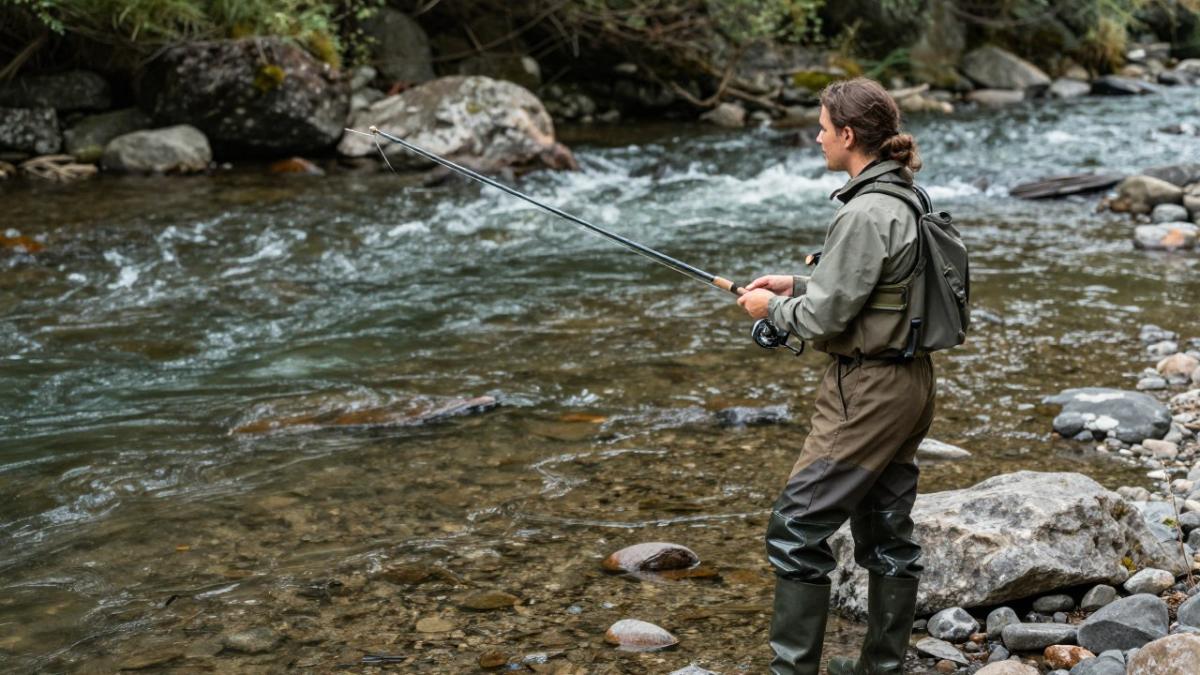
Look for seams where fast water meets slow. Trout hold in the slower feeding lane and let the current deliver food. Cover matters too: undercut banks, boulders, and logjams give trout shelter.
- Read the seam between fast and slow water
- Target the cushion in front of boulders
- Fish the tail of a pool where food collects
- Watch for flashes that reveal a feeding fish
For a deeper walk-through, our guide on how to find trout in rivers breaks it down step by step. Current reading is its own skill, and our article on reading river currents goes further.
Reading water and matching the season takes time on the stream. Smith River Outfitter Raleigh Fly FIshing offers expert-led fly fishing experiences for anglers of all skill levels. For current availability and details, visit our website.
Frequently Asked Questions
What do trout feed on in the winter?
Winter trout feeding slows because cold water lowers metabolism. Trout hold in deeper, slower pools and eat far less often. When they do eat, they favor small nymphs, midges, and the occasional drifting crustacean rather than large meals. Your best approach is to fish small flies deep and slow, present them naturally, and focus on the warmest part of the day when water temperature peaks.
How does water temperature affect trout feeding?
Water temperature controls trout metabolism and appetite. In the 50s and low 60s Fahrenheit, trout feed actively and move to riffles and feeding lanes. Above the mid-60s, they seek colder, oxygenated pockets and feed less. In the 30s and low 40s, metabolism drops and feeding windows shrink. Checking temperature before you fish tells you where trout will hold and how aggressively they will chase a fly, which is why checking temperature before you fish is a useful step.
How can anglers tell what trout are feeding on?
Watch the water before you cast. Rising fish that leave dimples are usually taking emerging insects near the surface, while splashy rises suggest larger prey. Turn over a few rocks in the riffle to see nymphs and check spiderwebs and streamside vegetation for recently hatched insects. Matching the size and silhouette of what you find beats matching an exact pattern. If nothing shows, fish a small nymph deep and adjust until you find the feeding lane.
What is the best month for trout fishing?
Spring and fall are often periods of active trout feeding. In spring, warming water wakes trout and hatches build through the season. In fall, trout feed hard to store energy before winter, and they are often less pressured. Summer demands early mornings and high-elevation water, while winter limits you to slow, deep presentations during the warmest hours. Local conditions vary, so ask a guide or check recent reports before you commit to a date.