 blog
Six Best NC Trout Streams for Fall Fly Fishing
Last Updated: November 2, 2026
Quick Summary
The six best NC trout streams for fall fly fishing are the Watauga, Wilson Creek, Linville River, Elk River, Toe River, and New River. Fall is prime because water temperatures drop into the ideal range, crowds thin after Labor Day, and the spawn puts big brown trout on the move.
- Late October through mid-November is the best window for fall trout fishing in NC.
- The Watauga ranks first for large brown trout but demands big-water wading skill.
- Wilson Creek offers wild rainbow trout and solitude in Pisgah National Forest.
- The Elk, Toe, and New rivers suit beginners with forgiving water and good access.
- A North Carolina fishing license plus the trout privilege is required on designated trout waters.
Table of Contents
- Why Fall Is Prime Time on NC Trout Streams
- How We Ranked These Six NC Trout Streams
- 1. Watauga River: Big Water and Large Brown Trout
- 2. Wilson Creek: Wild Water in the Pisgah National Forest
- 3. Linville River: Quiet Freestone Water Below Grandfather Mountain
- 4. Elk River: Stocked and Wild Trout Near Banner Elk
- 5. Toe River: Beginner-Friendly Water Through Yancey and Mitchell Counties
- 6. New River: Fall Smallmouth and Trout in Ashe and Alleghany Counties
- Frequently Asked Questions
Why Fall Is Prime Time on NC Trout Streams
Fall is the best season to fish NC trout streams, and it is not particularly close. Water temperatures drop into the ideal range for trout feeding, crowds thin out after Labor Day, and the fall spawn puts big brown trout on the move. This guide ranks six NC trout streams for fall fishing, with conditions, access, and timing for each.
Here is what most guides get wrong: fall is not just "summer with fewer people." Trout behave differently in October and November. Brown trout get territorial and aggressive before spawning. Rainbow trout feed heavily to build reserves for winter. Stream flows stabilize as summer thunderstorms fade. Fish hold in different water than they do in July.
The result is some of the most productive fly fishing of the year, on water that most anglers have already written off for the season. Below, we break down six streams worth the drive from the Piedmont, ranked by fall potential, access, and how well each suits a beginner.
How We Ranked These Six NC Trout Streams
We ranked these streams on four factors: fall trout quality, public access, wadeability, and how much pressure the water sees in autumn. Wild trout fisheries scored higher than stocked water. Streams with clear public access points and special regulations scored higher than water hemmed in by private land.
Streams a Raleigh angler can actually fish on a weekend were favored. A famous river with no legal access is of little use. Beginner-friendliness was also weighted, since many new anglers are casting a fly rod for the first time.
One caveat: regulations and access change. Before you drive, confirm current rules with the North Carolina Wildlife Resources Commission, which publishes trout waters classifications and season dates. If you want to learn to read rivers yourself before you go, how to find trout in rivers is worth an hour of your time.
| Stream | Fall Strength | Skill Level | Access |
|---|---|---|---|
| Watauga River | Large brown trout | Intermediate | Good |
| Wilson Creek | Wild fish, scenery | Advanced | Moderate |
| Linville River | Quiet water | Intermediate | Moderate |
| Elk River | Stocked plus wild | Beginner | Good |
| Toe River | Easy wading | Beginner | Good |
| New River | Mixed species | Beginner | Good |
1. Watauga River: Big Water and Large Brown Trout
The Watauga ranks first on this list because it produces some of the largest brown trout, and fall is when those fish are most catchable. This is big water: wide, cold, and deep enough that you need to think about where you wade, not just where you cast. It also demands more from the angler than the smaller streams below, the rewards scale with the effort.
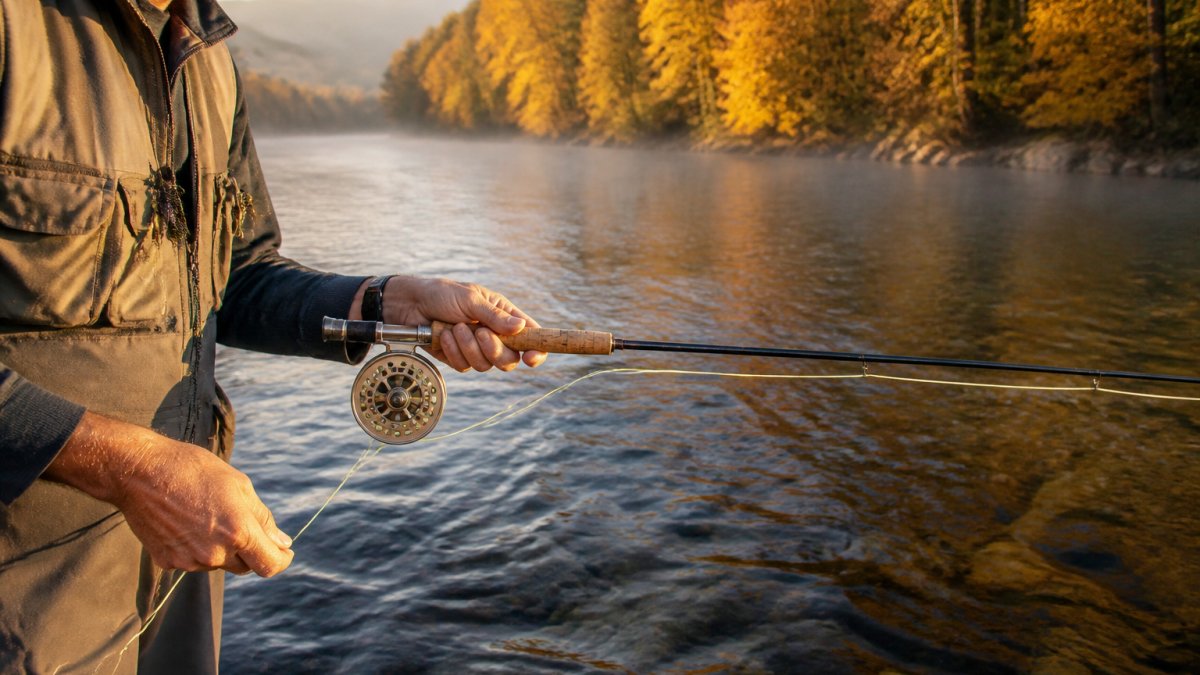
Fall Conditions and Timing on the Watauga
The mechanism that makes the Watauga a fall destination is simple: as water temperatures drop into the low 50s and hold there, brown trout shift from summer holding lies in deep, oxygenated riffles to pre-spawn staging water, the tails of pools, the seams where fast water dumps into slow, and the soft edges behind boulders. That shift typically begins in the last week of September and accelerates through October. The first three weeks of November are prime because the fish are aggressive and territorial but not yet fully on redds.
A practical pattern most experienced Watauga anglers follow: fish streamers and large nymphs in low light (dawn, dusk, and overcast days) through October, then switch to egg patterns and smaller nymphs fished behind spawning fish once November arrives. Big browns are hunting, not sipping, so swing streamers across the tailouts rather than dead-drifting nymphs through the same water all day.
Access and Trip Logistics
Public access exists but is scattered, and this is where the Watauga separates casual anglers from prepared ones. The river runs through a mix of private land, national forest, and special-regulation water, so the trout waters map is not optional, it is the first thing to check. Most public access points require a short walk-in; some are roadside, others are a 10- to 20-minute hike.
If you plan to keep any fish, or fish special-regulation water, read the current North Carolina trout fishing regulations from the state wildlife agency first. If you hook a good fish, how to safely release trout matters more than most anglers think, especially on pre-spawn browns you intend to let go.
Best for: Anglers chasing a trophy brown who are comfortable reading big water and walking in. Skip if: You want easy wading, small water, and roadside access.
2. Wilson Creek: Wild Water in the Pisgah National Forest
Wilson Creek is the wildest water on this list, and it rewards anglers who can read fast, pocket water. It runs through Pisgah National Forest, holds wild rainbow trout, and sees less pressure in fall than it does in spring.
The catch is difficulty. Wilson Creek is steep and boulder-strewn. You will climb, scramble, and fish short casts into small pockets. It is not a beginner's first stream. If you are heading to wild, fast water, how to read river currents will save you a lot of snags.
Fall brings lower, clearer flows, which makes the fish spooky. Fish light tippet, stay low, and target the broken water where trout feel safe. Wild trout here are not large, but they are willing and beautiful.
Best for: Experienced anglers who want solitude and wild fish. Skip if: You are new to wading or want stocked fish.
3. Linville River: Quiet Freestone Water Below Grandfather Mountain
The Linville is the sleeper on this list. It is a freestone stream that stays quieter than its reputation suggests, especially once summer ends, and it holds wild and stocked trout in a setting below Grandfather Mountain that is hard to beat in October. The unique angle here is that the Linville rewards anglers who understand freestone hydrology, the river rises and falls with rain, and that behavior dictates where fish hold on any given fall day.
Why Freestone Behavior Matters in Fall
Freestone streams like the Linville have no dam to buffer them. In summer, low, warm flows push trout into the deepest pockets and spring seeps. In fall, as rains return and water temperatures drop, fish spread out, riffles, pocket water, and the heads of pools all come alive. The practical takeaway: do not fish the Linville the same way in October that you fished it in August. Cover water, fish the riffles you skipped in summer, and expect fish to be more willing to move for a fly.
Dry-dropper rigs work well in fall because hatches thin out but fish still look up for small mayfly and caddis patterns. Fall trout flies tend to be smaller mayfly and caddis imitations rather than large attractors.
Access and Regulations
Access is mixed, with public stretches and private water, and the boundary lines are not always obvious from the road. Know where you are before you wade, posted land is posted for a reason, and the Linville has more private frontage than its national-forest setting suggests. The trout waters map from the North Carolina Wildlife Resources Commission is the authoritative source for which stretches are public and which carry special regulations.
Catch-and-release is encouraged on wild water, and it helps keep these fisheries healthy. Anglers may keep stocked fish under current regulations, but releasing wild browns and rainbows is worth considering.
Best for: Anglers who want quiet water, scenic fall color, and a freestone puzzle to solve. Skip if: You need guaranteed easy access or want a stocked-fish guarantee.
4. Elk River: Stocked and Wild Trout Near Banner Elk
Elk River is the most beginner-friendly stream on this list. It is stocked, it holds wild fish in stretches, and it is forgiving water: moderate gradient, decent access, and plenty of fish.
Stocked trout take flies readily, which makes the Elk a great place to build confidence. Fall stockings supplement wild fish, so your odds are good. Fish attractor nymphs and small streamers, and do not overthink it. A North Carolina fishing license is required, and a trout privilege applies on designated waters.
Best for: Beginners and anglers fishing with kids. Skip if: You want a wild-fish-only experience.
5. Toe River: Beginner-Friendly Water Through Yancey and Mitchell Counties
The Toe River is easy wading, has good public access, and holds both stocked and wild trout. It flows through Yancey and Mitchell counties and offers long, fishable stretches without the technical demands of bigger water.
Fall is a good time to learn here. Flows drop, the water clears, and you can see where fish hold. Practice your drift, work on mending line, and cover water methodically. Rainbow trout dominate, with brown trout in the deeper runs.
Best for: New anglers and anyone wanting a relaxed day. Skip if: You are hunting large fish.
6. New River: Fall Smallmouth and Trout in Ashe and Alleghany Counties
The New River is the odd one out, and that is why it made the list. It is warmer and slower than the others, and it holds smallmouth bass alongside trout. In fall, as water cools, both species feed aggressively.
This is float water more than wade water in many stretches. Fall is prime for smallmouth on streamers, and trout hold in the cooler tributaries and spring-influenced sections. If you want variety and a break from tight mountain streams, the New delivers.
Best for: Anglers who want mixed species and float options. Skip if: You want classic tight-line mountain trout water.
Frequently Asked Questions
Where is the best trout fishing in North Carolina in the fall?
The western mountain counties hold the strongest fall trout water. The Watauga River near Boone and the Wilson Creek drainage in Pisgah National Forest are two of the most consistent choices, with wild rainbow and brown trout plus stocked fish. The Linville, Elk, Toe, and New rivers round out a solid fall list. Cooler water temperatures after September push trout into feeding patterns, so timing your trip from late September through November gives you the best odds.
What flies work best for fall trout fishing in North Carolina?
The best fall trout flies in NC tend to be smaller nymphs and streamers that match October caddis, blue-winged olives, and spawning baitfish. Smaller nymphs and streamers suit most fall conditions, and egg patterns are often used when brown trout begin staging to spawn. Carry a mix of dry flies for warm afternoons and weighted nymphs for cold mornings, and adjust based on what the water is doing that day.
Do you need a North Carolina trout fishing license to fish these streams?
Yes. A valid North Carolina fishing license and the trout privilege are generally required to fish designated trout waters. Check current requirements with the state wildlife agency before you go. Guides can walk you through the requirements, but the license itself is your responsibility, not the outfitter's.
Is trout fishing open year-round in North Carolina?
Seasons and gear rules can vary by water, including wild trout streams and special-regulation waters. Check the current regulations for each stream with the state wildlife agency before you plan a trip.