 how-to
How Do You Land and Release Fish Safely?
Last Updated: October 28, 2026
Quick Summary
To land and release fish safely, land them quickly in a rubberized net, keep air exposure under about ten seconds, and remove hooks gently with forceps or cut the line if the hook sits deep. Hold the fish upright in the water until it kicks and holds itself level, then let it swim off on its own.
- Play fish firmly with steady pressure and guide them into a rubberized net, never onto dry ground.
- Pinch down hook barbs with pliers to make hook removal faster and reduce hook injury.
- Cut the line close if a hook sits in the gills, tongue, or esophagus, or if removal would take more than a few seconds.
- Warm water holds less oxygen, so release fish quickly and keep them in the water on hot days.
- Never puncture a bloated belly or swim bladder; use a descender to return deep-caught fish to depth.
Table of Contents
- Why Catch and Release Handling Decides Whether a Fish Survives
- Step 1: Land the Fish Quickly Before It Exhausts Itself
- Step 2: Set Up Your Tackle and Tools Before the Cast
- Step 3: Learn How to Remove a Hook From a Fish Safely
- Step 4: How Long Can a Fish Be Out of Water?
- Step 5: How to Revive a Fish After Catching It
- Catch and Release Fishing Tips for Piers, Docks, and Deep Water
- Book a Guided Trip to Practice Safe Release on the Water
- Frequently Asked Questions
Why Catch and Release Handling Decides Whether a Fish Survives
Catch and release is a conservation practice where an angler returns a caught fish to the water unharmed.
A fish that fights to exhaustion, sits on dry rocks, or gets squeezed has a poor chance of survival, even after it swims away.
The good news? Most survival factors are in your hands. Line strength, hook type, handling time, and air exposure all add up.
Step 1: Land the Fish Quickly Before It Exhausts Itself
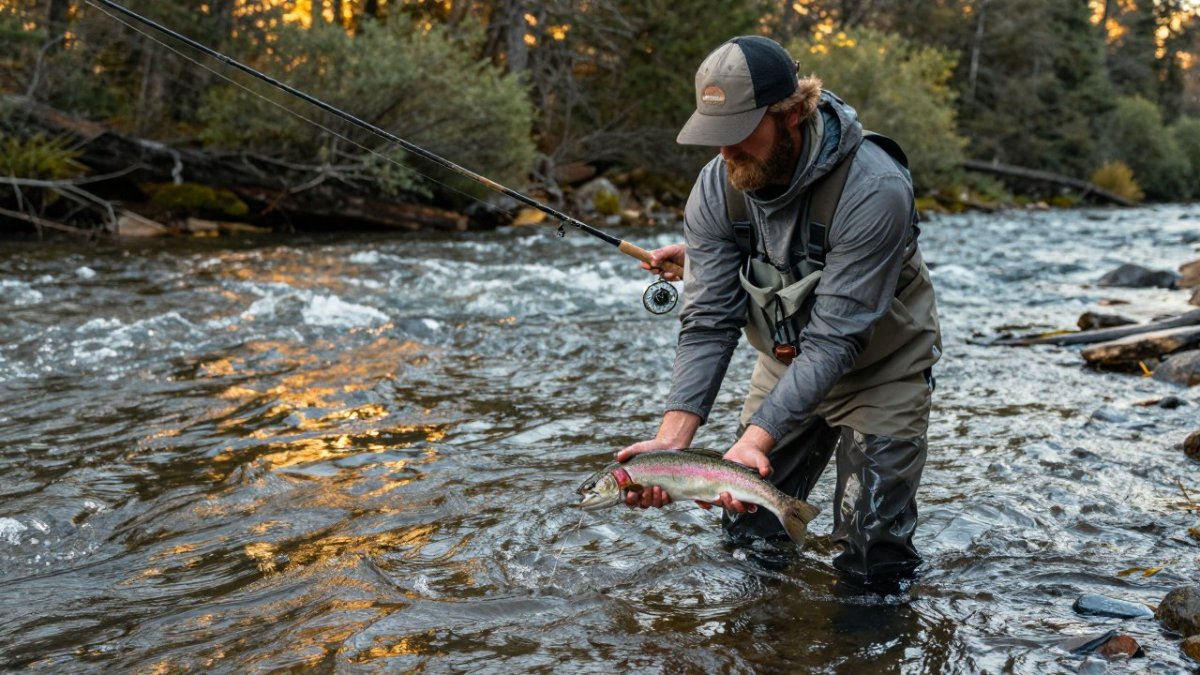
The faster you land a fish, the better its odds.
So play the fish firmly. Keep steady pressure, but don't horse it in. Guide the fish toward the net rather than dragging it across the surface.
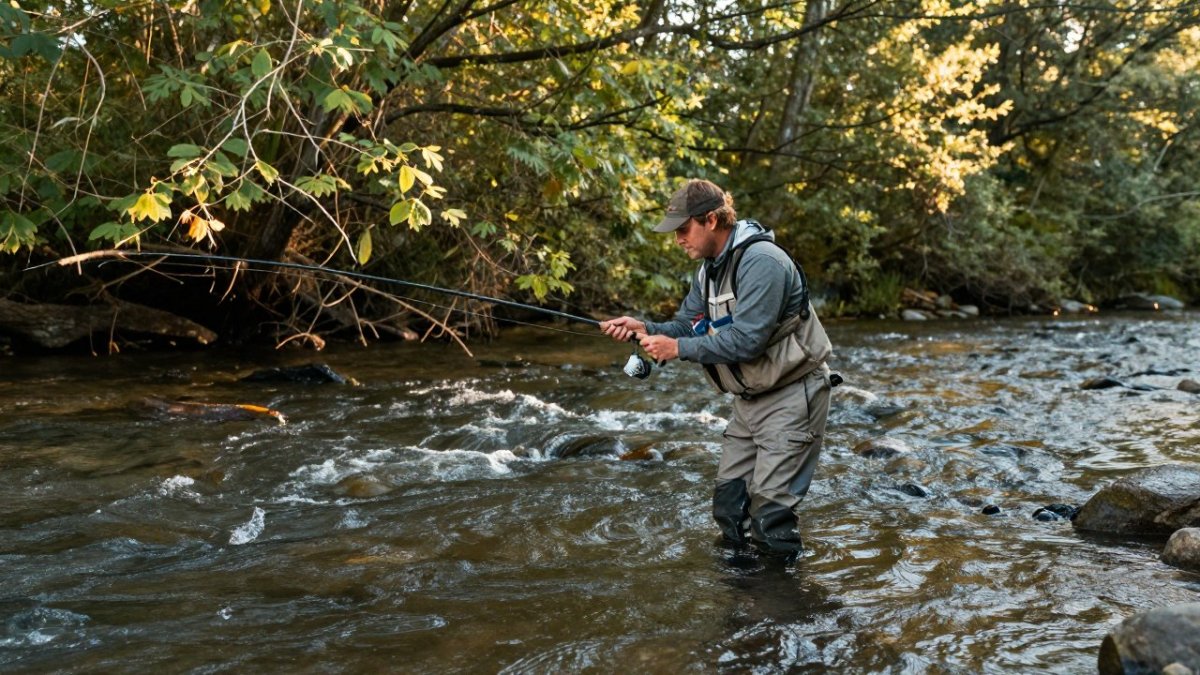
- Use strong tackle matched to the fish size
- Keep the rod bent and pressure constant
- Skip the trophy photo if the fight ran long
A common mistake is letting a fish thrash at the boat for minutes while you hunt for a camera. Land it first. Then decide about photos.
Step 2: Set Up Your Tackle and Tools Before the Cast
Preparation is the quiet hero of safe release. Before your first cast, get your gear ready so you never fumble while a fish struggles.
- Needle-nose pliers or forceps for hook removal
- A rubberized landing net with soft, knotless mesh
- Barbless hooks, or hooks with the barb pinched down
Barbless hooks make hook removal faster and cause less hook injury. You can pinch the barb flat on most hooks with pliers in seconds. Tying reliable knots also matters, because strong tackle means a shorter fight.
Step 3: Learn How to Remove a Hook From a Fish Safely
How to remove a hook from a fish safely comes down to one rule: keep the fish in the water and use the right tool. It starts with a solid hookset.
Grip the hook by the bend, not the line. Then push and twist slightly to back it out the way it went in. Never yank, and never rip the hook through tissue.
- Back the hook out in reverse, with a small push and twist
- Support the fish's body so it doesn't flop
- Cut the line close if the hook sits deep in the throat or gills
Match the removal method to where the hook sits
Not every hookup calls for the same move. Most practitioners sort them into three cases:
- Lip or jaw hook: the easy case. Back it out in reverse with forceps. If the barb is pinched, it usually slides free with a light push and twist.
- Deep in the mouth or throat: you often cannot see the hook point. Do not go fishing with pliers. If the hook is barbless and the shank is visible, a gentle back-out may work. If it is set past the bend or you cannot see the point, cut the line as close to the hook as you can and release the fish. A hook left in the mouth or throat is usually shed or passed over time, and the fish's odds are better than with a long, rough extraction.
- Gills, tongue, or esophagus: stop. These are the cases where cutting the line is the right call. Gill tissue does not heal like jaw tissue, and a hook torn through a gill arch can kill a fish that would otherwise swim off. Cut the line close and release.
Treble hooks and multi-hook lures
A treble hook changes the math. One point may be in the lip and another in the net mesh or the fish's flank. Do not try to rip the lure free. Instead:
- Pinch or cut the hook points you can reach with side cutters, then back each point out separately.
- If one point is deep and the others are shallow, remove the shallow points first, then decide on the deep one using the rules above.
- Carry side cutters rated for hook wire. Pliers alone will not cut a treble hook cleanly.
When to cut the line and when to try removal
If removal will take more than a few seconds, or if you cannot see the hook point, cut the line.
- Cut close to the hook, not at the rod tip, so the fish trails as little line as possible.
- Leave the hook in place if removal would cause more injury.
- Never pull a hook backward through gill tissue to 'save' a lure.
That last point matters. A deep-hooked fish often survives better with the line cut and the hook left in than with a long, rough surgery.
Match the removal method to where the hook sits, since each case calls for a different move.
| Hook location | What to do | Key detail |
|---|---|---|
| Lip or jaw | Back it out in reverse with forceps | Slides free with a light push and twist if barb is pinched |
| Deep in mouth or throat | Cut the line close if point is not visible | Hook is usually shed or passed over time |
| Gills, tongue, or esophagus | Cut the line close and release | Gill tissue does not heal like jaw tissue |
| Treble hook, multiple points | Pinch or cut reachable points, back each out separately | Carry side cutters rated for hook wire |
| Removal would take more than a few seconds | Cut the line | A hook left in place is a minor problem |
Step 4: How Long Can a Fish Be Out of Water?
How long can a fish be out of water? Keep air exposure under about ten seconds if you can, and never past the point where the fish stops struggling.
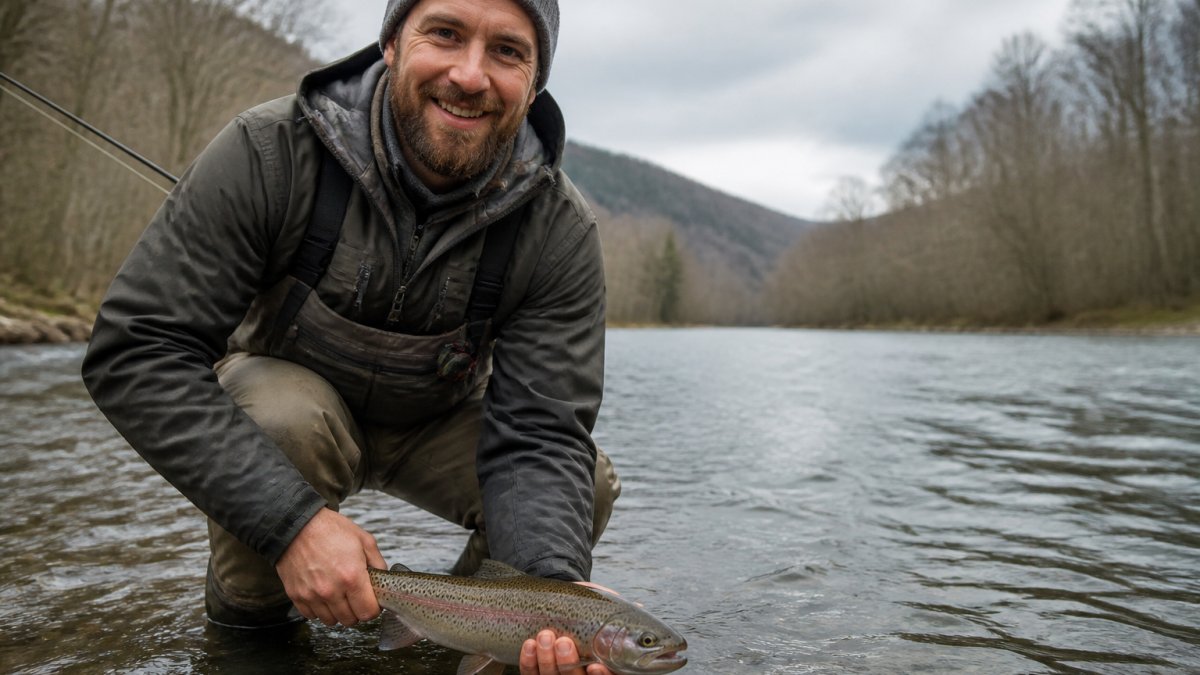
If you want a photo, wet your hands, lift the fish briefly, and put it back. Count to five. That's your window.
- Keep the fish in the net, in the water, while you prep the camera
- Wet your hands before any contact
- Support the belly and never squeeze the gills
Water temperature and weather matter here. Warm water holds less oxygen, so fish stress faster in summer.
Step 5: How to Revive a Fish After Catching It
How to revive a fish after catching it is mostly about patience. Hold the fish upright in the water, facing into the current, and let water flow through the gills.
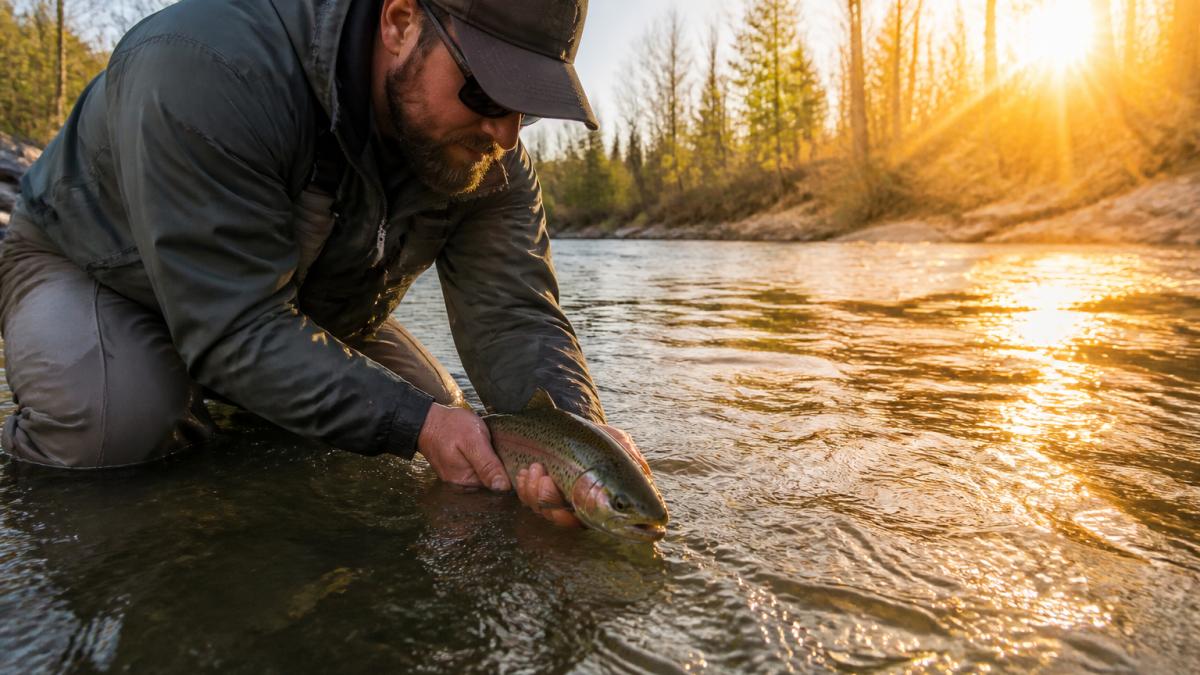
Watch for gill movement and a steady, upright posture. When the fish starts to kick and hold itself level, let it go. If it rolls over, keep reviving it.
- Face the fish into the current, never sideways
- Hold it upright with light support
- Wait for strong gill movement and balance
At the release point, don't toss the fish. Open your hands and let it move away.
Catch and Release Fishing Tips for Piers, Docks, and Deep Water
Releasing fish from a pier or dock changes the game. You're often high above the water, which makes gentle handling harder. Use a long-handled rubberized net to lift the fish without swinging it.
Why dropping a fish from height is a problem
A fish dropped from a pier, dock, or elevated bank hits the water at speed and can strike the surface, a piling, or the bottom. The impact can stun the fish, damage its jaw or internal organs, and leave it floating instead of swimming down. The higher the drop, the worse the odds.
- Lower the fish in the net, hand over hand, rather than dropping it.
- If you must release from height, use a release net or a soft-mesh cradle and lower it to the water, then open it.
- Never swing a fish over a rail by the line to 'shake' the hook free.
Barotrauma: what it is and what to watch for
Fish pulled from deep water can suffer barotrauma, pressure-related injury from the swim bladder expanding as the fish is brought up. Warning signs include:
- A fish that floats on its side and cannot swim down
- A bloated belly or bulging eyes
- The stomach pushed out of the mouth
Do not puncture the stomach or the swim bladder. That is an old practice and it does more harm than good. The better move is to get the fish back to depth quickly so the pressure can equalize.
Getting a deep-caught fish back down
A release tool that sends the fish back to depth helps it recover. Options include a weighted release device, a descender, or a inverted hook rig that carries the fish down and releases it at depth. The goal is to return the fish to the depth it came from, not just to the surface.
- Use a descender or release device rated for the depth you are fishing.
- Lower the fish quickly and release it at depth, not at the surface.
- If you do not have a release device, move to shallower water before fishing, or keep deep-caught fish in the water and revive them at the surface only as a last resort.
Reading the release point
Reading water flow also helps you pick a safe release point. Learning how to read river currents makes that call easier. On elevated banks, lower the fish gently in the net rather than dropping it. On a pier, release on the up-current side so the fish drifts away from pilings and structure rather than into it.
Book a Guided Trip to Practice Safe Release on the Water
Reading about how to land and release fish safely only goes so far. If you're ready to get on the water, this guide to booking a private fishing trip walks you through the steps.
That's where Smith River Outfitter Raleigh Fly FIshing comes in. Our expert-led trips pair professional guidance with deep local knowledge, so every outing is both educational and rewarding.
Learn to release fish with confidence, care, and clean technique.
Frequently Asked Questions
How long can a fish safely be out of water?
Keep air exposure under 10 seconds if you can, and never past 30. A fish held out of water longer than that faces a higher risk of injury and death even if it swims off. If you want a photo, wet your hands, lift the fish briefly, and lower it back into the water between shots. On warm days, cut that window shorter still, because warm water holds less oxygen and stressed fish recover more slowly.
What should I do if a fish is deeply hooked?
Do not dig at the hook. If the hook sits in the throat or gut, cut the line as close to the hook as you can and release the fish. The hook usually works loose or corrodes over time, and the fish has a better chance than it does with torn tissue. Carry line cutters or nail clippers so you can make that cut fast. Only attempt removal with forceps when you can clearly see the hook point and back it out the way it went in.
How do you land a fish without exhausting it?
Use tackle strong enough for the fish you expect, keep the rod bent, and steer the fish toward the net instead of dragging the fight out. A long fight builds lactic acid and raises stress, so land fish within a reasonable time rather than playing them to total fatigue. Keep the fish in the water inside a rubberized landing net while you unhook it, and support the body horizontally if you lift it at all.
How can you tell a fish is ready to swim away after release?
Watch for steady gill movement, upright balance, and the fish holding itself in the current without rolling. Hold it gently facing into the flow until it kicks free on its own. If it tips over or drifts, keep supporting it and let it recover longer. Never toss a fish back, and avoid releasing it into still, warm water when a spot with better flow is nearby.