 how-to
How to Choose Fly Fishing Waders for NC Waters
Last Updated: October 23, 2026
Quick Summary
Fly fishing waders come in two main types, stockingfoot and bootfoot, with breathable or neoprene materials suited to different seasons. Choose based on water temperature, fishing style, and whether you prefer customizable boots or simplicity, with chest waders being the standard for serious North Carolina trout fishing.
- Stockingfoot waders let you choose separate boots for terrain flexibility, while bootfoot waders are simpler but offer less customization
- Breathable waders work best in spring and fall at 50-70°F, while neoprene waders provide insulation for cold water below 60°F
- Proper fit requires measuring your inseam and checking brand sizing charts, with room for layering underneath and about an inch of fabric at your ankles
- North Carolina streams have slippery moss and algae, making felt soles perform better than rubber for traction on rocky terrain
- Common mistakes include buying waders too small, choosing the wrong material for the season, and overdressing underneath which causes overheating
Table of Contents
- Understanding Wader Types for Your Fishing Style
- Breathable vs. Neoprene Waders: Material Matters
- How to Size Fly Fishing Waders Correctly
- What to Wear Under Fishing Waders
- Wading Boots and Sole Selection for Local Terrain
- Matching Wader Weight and Insulation to Water Temperature
- Common Mistakes to Avoid When Choosing Waders
- Durability, Care, and Getting the Most from Your Investment
- Frequently Asked Questions
Understanding Wader Types for Your Fishing Style
Choosing the right fly fishing waders starts with understanding the two main categories: stockingfoot and bootfoot designs. Each has distinct advantages depending on how you fish and what conditions you encounter on local waters.
We guide anglers through this decision based on their specific needs and fishing style. The choice between these types affects comfort, portability, and how you move through streams.
Stockingfoot vs. Bootfoot Waders
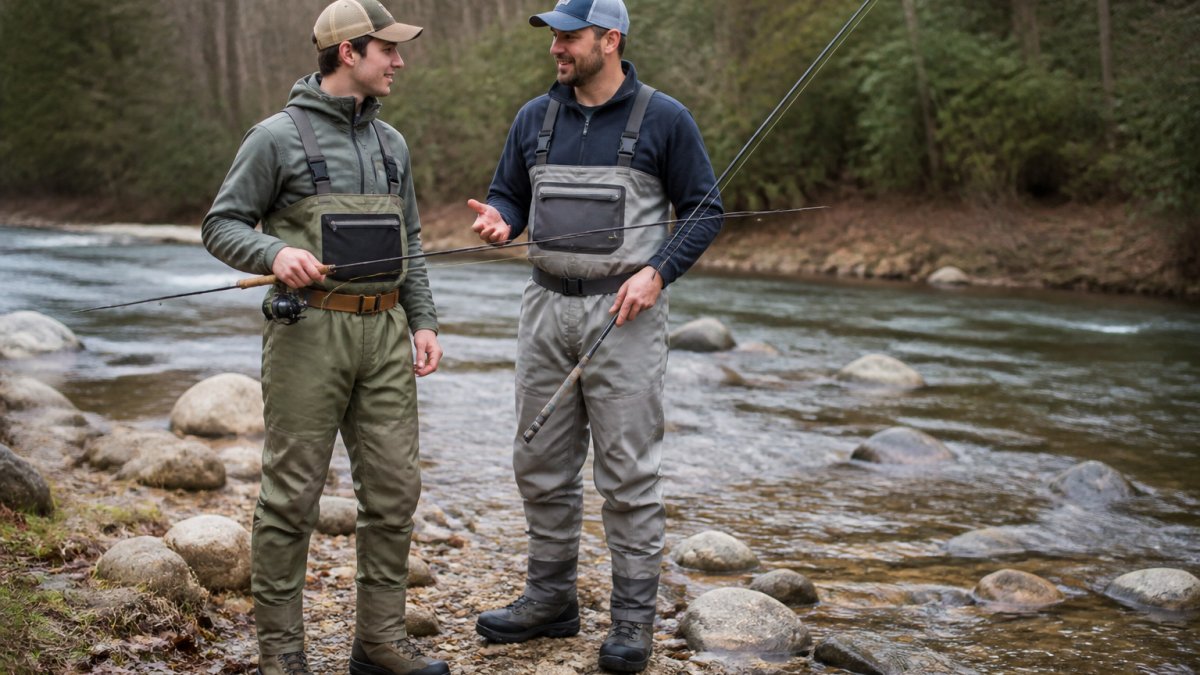
Stockingfoot waders are the lighter option. They have a neoprene or breathable sock built into the leg but require a separate wading boot.
Bootfoot waders come with the boot permanently attached. They're simpler to put on and require no extra equipment. The trade-off is less boot variety and slightly more weight to carry.
Most fly fishers prefer stockingfoot waders for serious trout fishing. You get better boot options and can upgrade boots without replacing the entire wader. Bootfoot waders work well for casual wading and anglers who prioritize simplicity over customization.
Waist Waders vs. Chest Waders for Trout
Waist waders reach your waist and work best in shallow streams where you're fishing from the bank or in knee-deep water. They're lightweight and pack easily for short trips.
Chest waders extend to your chest or armpits. They let you wade deeper into rivers and reach better fishing spots. For serious fly fishing waders in North Carolina trout streams, chest waders are the standard choice.
Chest waders give you access to more water and better positioning for casting. You can work deeper pools and reach the best trout habitat.
Breathable vs. Neoprene Waders: Material Matters
The material determines how your waders perform across seasons. Breathable waders and neoprene waders serve different purposes, and understanding the difference shapes your entire wading experience.
Breathable Materials for Spring and Fall
Breathable waders use thin, waterproof membranes that let moisture escape while keeping water out. They're lightweight and pack small, making them ideal for mild weather fishing.
Breathable fly fishing waders work best in spring and fall when water temperatures are moderate. They keep you dry without trapping body heat. Many anglers prefer them for longer wading days because they don't cause overheating.
The downside is durability. Breathable materials need careful handling to avoid punctures. They also require more layering underneath to stay warm in cold water.
Neoprene for Cold Water and Winter Fishing
Neoprene waders are thicker and provide insulation. They trap a thin layer of water against your skin, which your body warms. This design keeps you comfortable in cold water and winter conditions.
Neoprene fly fishing waders work well for fall and cold water fishing when temperatures drop. The material is durable and forgiving if you snag rocks or brush. They're heavier than breathable options but better for extended cold-water sessions.
The trade-off is breathability. Neoprene doesn't let moisture escape as well, so you can overheat on mild days or during active wading.
How to Size Fly Fishing Waders Correctly
Proper fit determines comfort and safety. Waders that are too tight restrict movement and cause fatigue. Waders that are too loose let water in at the neck and waist.
Taking Your Measurements
Start with your height and weight, which determine your base size. Most wader brands use small, medium, large, and extra-large categories based on these measurements.
Measure your inseam from your crotch to your ankle while standing barefoot. This measurement matters more than overall height because wader legs need to fit properly at your ankles.
Check the brand's sizing chart before ordering. Waders vary between manufacturers, and a medium in one brand may fit differently than another. Many anglers order a size larger than street clothes to accommodate layering underneath.
Fit and Mobility for All-Day Wading
Your waders should fit snugly at the shoulders and chest without pulling or gapping. You should be able to raise your arms freely for casting without the chest piece riding up.
At the waist, waders should sit comfortably without pinching. You'll wear a belt, which helps keep them in place. The leg length should allow about an inch of fabric at your ankle when you're standing.
Test mobility by simulating casting motions and walking movements. Squat down to check that the crotch seam doesn't pull. If you feel restricted, size up.
What to Wear Under Fishing Waders
Layering under your waders manages temperature and prevents chafing. The right base layers keep you comfortable for hours of wading.
Layering for Temperature Control
In spring and fall, wear a lightweight synthetic or merino wool base layer. These materials wick moisture away from your skin and dry quickly if they get damp.
For cold water and winter fishing, add a fleece mid-layer or thermal base layer. Avoid cotton, which holds moisture and loses insulation when wet. Merino wool works well because it stays warm even when damp.
Wear long underwear and long-sleeve shirts under breathable waders. Under neoprene waders, a single base layer is often enough because the neoprene provides insulation.
Avoiding Overheating and Dehydration
Many anglers make the mistake of overdressing under their waders. Too many layers trap heat and cause overheating during active wading. Start with one base layer and add only if you're cold.
Drink water regularly while wading. Neoprene waders especially can cause dehydration because they trap heat and increase sweating. Carry a water bottle in your vest or pack and drink every 30 minutes.
Watch for signs of heat stress: dizziness, excessive fatigue, or confusion (the CDC). Heat-related illness can develop quickly, especially during summer fly fishing in North Carolina.
Wading Boots and Sole Selection for Local Terrain
Your boots matter as much as your waders. The right sole gives you traction on slippery rocks and prevents dangerous falls in fast current.
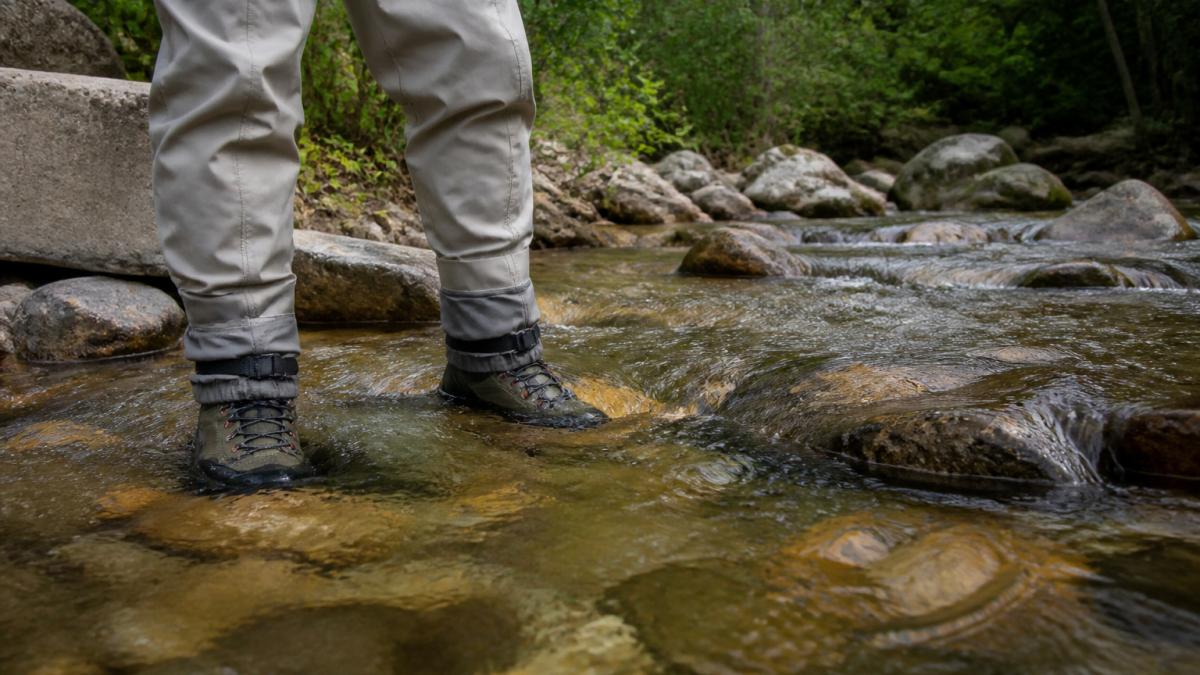
Felt vs. Rubber Soles for Rocky Streams
Felt soles grip wet rock better than rubber. They're softer and conform to irregular surfaces, giving you more contact with the stream bottom. Many fly fishers prefer felt for technical wading on rocky terrain.
Rubber soles are more durable and work well on sandy or muddy bottoms. They're easier to clean and last longer than felt. However, they slip more on algae-covered rocks, which are common in North Carolina trout streams.
North Carolina streams often have slippery moss and algae on rocks, especially in spring and summer. Felt soles perform better in these conditions.
Studs and Traction on Slippery Bottoms
Metal studs add aggressive traction on ice and extremely slippery conditions. They're overkill for most fly fishing but essential for winter wading or glacier-fed streams with polished rock.
Rubber boots with studs work best in winter. They grip ice better than felt alone. However, studs can damage wooden boat decks and some stream bottoms, so check local regulations before using them.
For most fly fishing waders in North Carolina, felt soles without studs provide plenty of traction. Studs are rarely necessary unless you're wading in winter or after heavy rain when streams are extremely slippery.
Matching Wader Weight and Insulation to Water Temperature
Water temperature drives the wader choice more than air temperature. Cold water pulls heat from your body rapidly, so you need proper insulation even on warm days.
Spring and Summer Fly Fishing
Spring water in North Carolina is cold even when air temperatures warm up. Streams fed by springs stay cold year-round. Check water temperature before choosing waders.
Use breathable fly fishing waders in spring when water temperatures are 50-60°F. Add a lightweight base layer for comfort. As water warms into summer, lighter waders or wet wading becomes viable.
Summer fly fishing in July and August often means water temperatures above 70°F. Some anglers switch to shorts and wade in the water. Others wear lightweight breathable waders to protect their skin and stay comfortable during long days.
Fall and Cold Water Conditions
Fall brings cooling water temperatures. By October, North Carolina streams drop into the 50s. Switch to neoprene or thicker breathable waders for comfort.
Cold water fishing in winter requires serious insulation. Neoprene waders are essential when water temperatures drop below 50°F. Thick neoprene (4-5mm) keeps you warm during extended wading sessions.
Check water temperature before every trip. A thermometer costs a few dollars and prevents choosing the wrong waders. Underestimating how cold the water is leads to dangerous situations where you lose body heat rapidly and can't safely exit the stream.
Common Mistakes to Avoid When Choosing Waders
Most beginners make predictable errors that cost them money or comfort. Learning from these mistakes saves time and frustration.
Buying waders that are too small is the most common mistake. Tight waders restrict casting and cause fatigue.
Choosing the wrong material for the season wastes money. Breathable waders in winter leave you cold. Neoprene waders in summer cause overheating.
Neglecting boot quality is another error. Cheap boots slip on wet rocks and wear out quickly.
Many anglers overdress under their waders. Too many layers cause overheating and excessive sweating.
Durability, Care, and Getting the Most from Your Investment
Proper care extends wader life significantly. Most waders fail from neglect, not normal use.
Rinse your waders with fresh water after every trip. Salt and minerals from streams cause material breakdown.
Store waders loosely, never folded tightly for months. Creases can crack neoprene and weaken seams.
Check seams regularly for leaks. Most waders develop small leaks over time.
Replace felt soles when they wear smooth. Many boots accept replacement soles, which costs far less than new boots.
Quality fly fishing waders last 5-10 years with proper care. Budget for replacement eventually, but good maintenance maximizes your investment.
| Wader Type | Best Season | Water Temp | Durability | Weight |
|---|---|---|---|---|
| Breathable | Spring, Fall | 50-70°F | Moderate | Light |
| Neoprene | Fall, Winter | Below 60°F | High | Heavy |
| Stockingfoot | Year-round | Any | Depends on material | Light to moderate |
| Bootfoot | Casual wading | Mild conditions | Moderate | Moderate |
Choosing the right fly fishing waders transforms your time on North Carolina streams.
Frequently Asked Questions
How do I know what size of waders I need?
Measure your height in inches and your chest circumference. Most manufacturers provide size charts that cross-reference these measurements to their wader sizes (typically XS through XXL). Waders should fit snug but allow freedom to layer underneath without binding at the shoulders or waist. Bring your measurements to a local fly shop or check the brand's sizing guide online before ordering.
What to wear under waders for fly fishing?
Wear moisture-wicking base layers such as merino wool or synthetic materials. Add a mid-layer like fleece in cold water (below 50°F), and avoid cotton, which traps moisture. In warm weather, lightweight long underwear is enough. Avoid heavy clothing that restricts movement or causes overheating, which can lead to dehydration and heat exhaustion during long days on the water.
Should I choose chest waders or waist waders for trout fishing?
Chest waders give you access to deeper water and more freedom to wade farther, making them ideal for trout streams where depth varies. Waist waders are lighter, cooler in warm weather, and sufficient for shallow streams and wade fishing in warmer months. Most anglers in this region start with chest waders for versatility, then add waist waders as a second option for summer fishing.
Are breathable waders suitable for cold-weather fishing?
Breathable waders work in cold weather when paired with proper insulating layers underneath. However, neoprene waders provide better insulation for water temperatures below 50°F because the material itself traps body heat. Breathable waders excel in spring and fall when temperatures are moderate; neoprene is the better choice for winter fishing and sustained cold-water exposure.