 blog
blog
8 Public Fishing Access Points Near North Raleigh
Table of Contents
- Eight Public Fishing Access Points Near North Raleigh
- Public Fishing Spots Near Raleigh: Distance and Travel Times
- Bank Fishing Near Raleigh: What You Need to Know
- Fishing License Requirements in North Carolina
- How to Use a Public Fishing Access Map
- Species, Seasons, and Tackle by Access Point
- Conclusion
- Frequently Asked Questions
Last Updated: October 9, 2026
Eight Public Fishing Access Points Near North Raleigh
Finding fishing access close to home should not take a full day of driving. This guide covers eight public fishing access points near North Raleigh, all reachable in under an hour.
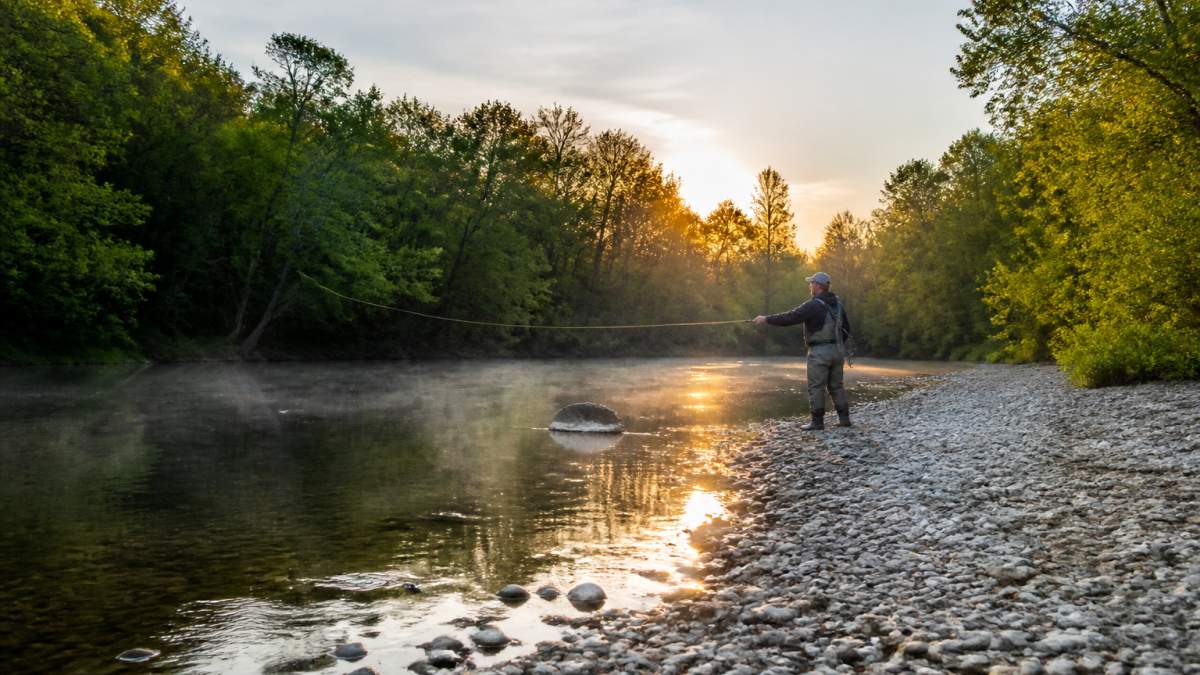
Public fishing access is the legal right to fish from designated public lands and waters. In practice, it means you can wet a line from a bank, pier, or ramp without a private invite.
Here are our eight picks, starting with the closest to the city:
- Falls Lake Tailrace and Neuse River Greenway - Wadeable water below the dam, best in cool months.
- Millbrook Exchange Park Pond - A stocked neighborhood pond with easy paved access.
- Marsh Creek and Upper Barton Creek - Small water arms off Falls Lake, quiet on weekdays.
- Falls Lake boat ramps - Several public ramps with bank fishing beside them.
- Shelley Lake - A paved greenway loop around a calm, family-friendly pond.
- Lake Crabtree - A county park with a fishing pier and paddle access.
- Durant Nature Preserve - A small lake with a dock and shoreline trails.
- Neuse River Greenway access points - Multiple river entries along the trail.
Falls Lake Tailrace and Neuse River Greenway
The tailrace below Falls Dam holds cool, moving water year-round. That draws fish even in summer. Bank access is simple, and the greenway gives you miles of shoreline to work. Waders help, but you can fish from the gravel without them.
Millbrook Exchange Park Pond
Millbrook is the easiest stop on this list. It sits inside the city, with a paved path and plenty of parking. The pond is stocked, which makes it a strong pick for kids and first-timers. Expect company on weekends.
Marsh Creek and Upper Barton Creek
These two creek arms feed into Falls Lake and stay calmer than the main lake. Access comes from nearby ramps and trail entries. Fish the deeper bends early in the day. A common mistake is skipping the shallow flats, where bass often feed at dawn.
Public Fishing Spots Near Raleigh: Distance and Travel Times
Most public fishing spots near Raleigh sit within 15 to 35 minutes of the North Raleigh area. Travel time matters more than raw distance, since I-540 traffic can double a short drive.
| Access Point | Approx. Distance | Typical Drive | Parking | Shoreline Entry | Facilities | Boat Access |
|---|---|---|---|---|---|---|
| Falls Lake Tailrace | 20 miles | 25-30 min | Gravel lot off the dam access road | Gravel bank and greenway shoulder | None on site; nearest restrooms at greenway trailheads | No ramp |
| Millbrook Exchange Park Pond | 5 miles | 10-15 min | Paved lot inside the park | Paved path ringing the pond | Restrooms, playground, benches | No |
| Marsh Creek / Upper Barton Creek | 18 miles | 25 min | Ramp lots at Upper Barton Creek and nearby Falls Lake ramps | Mud and gravel banks at trail entries | Restrooms at the ramp lot | Nearby ramp |
| Falls Lake ramps | 20 miles | 25-30 min | Paved ramp lots (several across the lake) | Bank fishing beside each ramp | Restrooms and courtesy docks at most ramps | Yes |
| Shelley Lake | 8 miles | 15 min | Paved lot at the greenway trailhead | Paved greenway loop, level and firm | Restrooms, benches, water fountains | No |
| Lake Crabtree | 12 miles | 20 min | Paved lot at the county park entrance | Fishing pier plus bank along the trail | Restrooms, pier, paddle launch | Paddle only |
| Durant Nature Preserve | 9 miles | 15-20 min | Small gravel lot at the preserve entrance | Dock plus shoreline trails | Restrooms at the nature center | No |
| Neuse River Greenway | 10 miles | 20 min | Trailhead lots at multiple greenway entries | Sand and gravel banks at trail access points | Restrooms at larger trailheads | Canoe launch |
The pattern is clear. The closest spots are ponds with paved lots and restrooms, and the lake and river options cost you a little more windshield time in exchange for bigger water and more species. If you are fishing with kids or anyone who needs firm, level ground, stay with Millbrook, Shelley Lake, or the Lake Crabtree pier.
A few timing notes that the distance numbers do not capture:
- Weekday mornings are the quietest window at every spot on this list, especially the creek arms and the tailrace.
- Weekend afternoons fill the paved lots at Millbrook and Shelley Lake first, since those are the easiest walks.
- After heavy rain, the tailrace and creek arms can rise and discolor fast; the ponds and the lake stay fishable.
- Gate times vary by site. Several Falls Lake ramp lots and the Lake Crabtree entrance close at dusk, so check posted hours before a late trip.
Bank Fishing Near Raleigh: What You Need to Know
Bank fishing near Raleigh works best when you pack light. Shorelines here are often gravel, grass, or pine straw, so you rarely need waders. A few habits make the difference:
- Check the weather and water level before you go.
- Park only in marked areas, since several ramps gate at dusk.
- Bring bug spray from spring through fall.
- Watch for posted closures after heavy rain.
- Keep your backcast clear of other anglers.
Accessibility varies. Shelley Lake and Millbrook both have paved, level paths that suit strollers and wheelchairs. The creek arms and tailrace do not.
Fishing License Requirements in North Carolina
Fishing license requirements in North Carolina apply to anyone 16 and older. You need a valid license to fish public inland waters, and a separate one for coastal waters. Anglers under 16 fish free.
North Carolina also offers several free fishing days each year, when no license is required. For current rules and fees, check the North Carolina Wildlife Resources Commission.
Some waters carry extra rules. Trout streams may require a special permit, and certain lakes limit horsepower or boat size. Read the signs at each ramp.
How to Use a Public Fishing Access Map
A public fishing access map shows ramps, piers, and shoreline entries on one screen. The state wildlife agency publishes one, and it is the fastest way to plan a trip. Here is how we use it:
- Open the map and zoom in on your area.
- Filter for bank access if you have no boat.
- Tap a pin to see the ramp type and facilities.
- Check for closures or seasonal limits.
- Save two backups in case your first spot is crowded.
The map will not tell you where the fish are. It tells you where you can legally stand. Pair it with a look at recent local reports.
Species, Seasons, and Tackle by Access Point
What you catch depends on where you go, and the eight spots on this list fish differently enough that a single tackle list does not cover them. Here is how each access point breaks down by species, best season, and the setup that works.
- Falls Lake Tailrace and Neuse River Greenway, Cool, moving water below the dam holds stocked trout in the cool months and striped bass, white bass, and catfish through the warm season. Best from late fall through early spring for trout, and spring through fall for the warm-water species. Bring a fly rod with streamers and nymphs, or a light spinning rod with small inline spinners and jigs. Wade or fish from the gravel; watch the release schedule.
- Millbrook Exchange Park Pond, Stocked channel catfish and catchable trout after stocking, plus resident largemouth bass, bluegill, and crappie. Best in the first two weeks after a stocking date and again in spring and fall. A light spinning rod with small jigs, worms, or prepared bait covers everything in the pond. This is the easiest spot on the list for kids and first-timers.
- Marsh Creek and Upper Barton Creek, Largemouth bass, crappie, and bluegill in the calmer arms off Falls Lake. Best at dawn in spring and fall, when bass push onto the shallow flats. A medium spinning rod with soft plastics, small crankbaits, and topwater in summer. Fish the deeper bends early and do not skip the flats.
- Falls Lake boat ramps, Largemouth bass, crappie, catfish, and white bass, with striped bass in the main lake. Best in spring and fall, with a strong early-summer crappie bite around brush and docks. A medium rod with crankbaits and soft plastics from the bank, or a full bass setup if you launch. Bank fishing beside the ramps is productive when the lake is stable.
- Shelley Lake, Largemouth bass, bluegill, and catfish in a small, calm pond. Best in spring and fall, and fishable most of the year thanks to the paved loop. A light spinning rod with small jigs and worms. The level path makes this a good pick for anglers who want to keep moving without rough footing.
- Lake Crabtree, Largemouth bass, crappie, bluegill, and catfish, with a reliable spring crappie bite near cover. Best in spring and fall. Fish the pier with a light spinning rod and small jigs, or work the bank along the trail with soft plastics. Paddle access opens more water if you have a kayak or canoe.
- Durant Nature Preserve, Largemouth bass, bluegill, and catfish in a small lake with a dock and shoreline trails. Best in spring and fall. A light spinning rod with small jigs and worms from the dock, or work the trail banks with soft plastics. Quiet on weekdays.
- Neuse River Greenway access points, Largemouth bass, catfish, and panfish in the river, with seasonal runs of striped bass and shad. Best in spring and fall, and fishable through summer if you target early and late. A medium spinning rod with soft plastics and crankbaits, or a fly rod with streamers. The canoe launches let you cover more water than bank fishing alone.
Across all eight spots, the same seasonal pattern holds: spring and fall are the most productive, summer pushes fish to dawn and dusk, and winter concentrates fish in deeper water and near warm discharges. A common mistake is fishing too fast in cold water. Slow your retrieve and the bites come.
Conclusion
The hardest part of local fishing is knowing where to start. These eight access points solve that. If you want to skip the guesswork and learn faster, our team at Smith River Outfitter Raleigh Fly FIshing can help. We offer expert-led fly fishing experiences tailored to enthusiasts of all skill levels. By combining professional guidance with deep local knowledge, we ensure every outing is both educational and rewarding.
Frequently Asked Questions
Which public fishing access points are closest to North Raleigh?
The closest options are typically Falls Lake Tailrace and the Neuse River Greenway, both within a 15-20 minute drive from most North Raleigh neighborhoods. Millbrook Exchange Park Pond is often the nearest in-city option. Because travel times vary by your exact location, check a current public fishing access map before you go and plan for extra time during weekday rush hours.
Do you need a fishing license to fish at public access points in North Carolina?
Yes, in most cases. North Carolina requires a valid fishing license for anyone 16 or older fishing public inland waters. A basic inland fishing license covers most ponds, rivers, and reservoirs. Some locations may have additional permits or seasonal closures. Always verify current rules on the NC Wildlife Resources Commission website before your trip, since license requirements and exemptions can change.
Where can you fish from the bank near North Raleigh?
Bank fishing near Raleigh is available at several public access points, including the Neuse River Greenway, Falls Lake Tailrace, and Millbrook Exchange Park Pond. These spots offer shoreline access without needing a boat. Look for gravel banks, pier structures, or designated fishing pads. Early morning and late evening usually produce the best results, especially in spring and fall.
What should you check before fishing at a public access site?
Before you go, confirm current hours, parking rules, and any closures using a public fishing access map or the managing agency's page. Check your fishing license requirements in North Carolina, review local regulations for the specific water, and look at recent reports for water clarity and level. Bring a valid license, appropriate tackle, water, and sun protection. Have a backup spot in mind in case your first choice is crowded.